Woodworm Treatment in Bournemouth
Spot active beetle in Bournemouth homes, because early checks save money. Then request a survey from a local specialist.
- Free, no-obligation enquiry
- Honest answer on active or historic beetle
- Plain-English advice for local homes
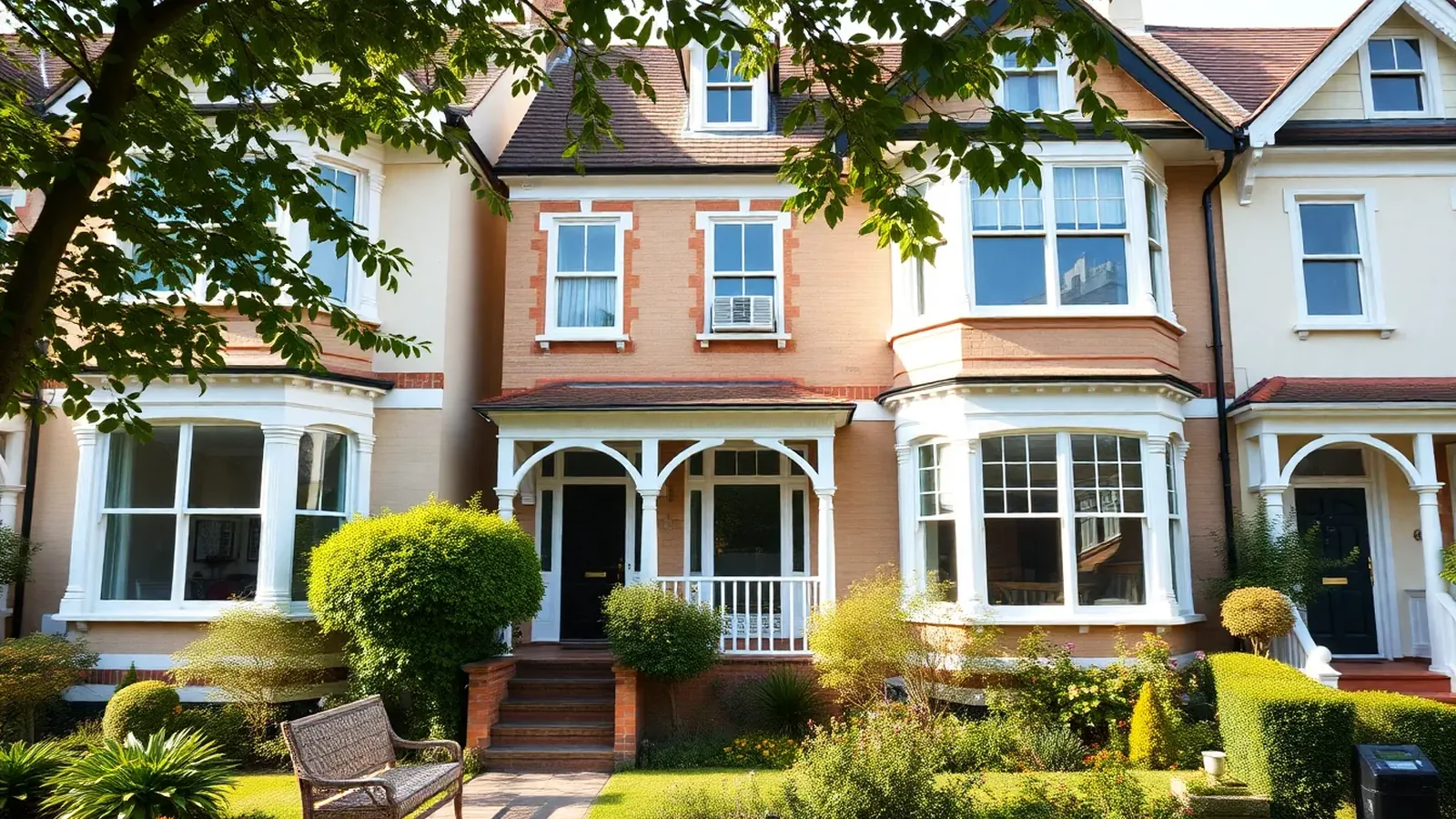
Bournemouth's seaside villas hold decades-old timber
Bournemouth's seaside villas and converted flats hold decades-old timber in humid air. That matters because damp, old softwood is the beetle's favourite food.
Bournemouth grew as a seaside town in the late Victorian and Edwardian years. Many villas there now hold flats, and each has original roof and floor timber. Coastal air adds moisture, so the timber rarely dries out.
A beetle can work quietly for years in a quiet corner of a loft. Small piles of dust under rafters are an early clue. If you see them, request a survey and compare the findings with the guide on active versus old woodworm.
Why Bournemouth property is at risk
Here are the property types in Bournemouth where woodworm questions come up most.
Edwardian villas
Large villas have long roof frames and wide floors. More timber gives beetle more room to settle.
Converted flats
Subdivided villas share lofts and floor voids. Because nobody owns the checks, damage can go unseen.
Seafront apartments
Sea air keeps humidity high. Timber near windows and balconies can stay damp after storms.
Older bungalows
Post-war bungalows often have low roof spaces with tight access. Dust under rafters is easy to miss.
Period shopfronts
Town centre buildings mix old and new timber. Test any beam that sounds hollow.
Garden structures
Pergolas and sheds in untreated softwood can hold beetle. Do not store old furniture inside them.
A woodworm survey in Bournemouth
- 1
Send your details
Give us your Bournemouth postcode and say what you have seen. Holes, dust and beetles all help, because they show the surveyor where to look. A specialist will call to arrange a visit.
- 2
Survey
The surveyor checks the roof, floors and any sub-floor void. They identify the beetle and say whether it is still active.
- 3
Written quote
If treatment is needed, ask for a written quote. It should name the method, the area and the price. Compare it with typical costs, since methods and scope differ.
- 4
Treatment
Most spray jobs finish in a day, although a large loft can take longer. Ask how long to stay out of the room and when you can use the space again.
Areas around Bournemouth
Enquiries from these places in Dorset go to a local specialist. Other areas are welcome, although we confirm availability by postcode.
Not on the list? Send your postcode anyway, because coverage grows. See areas we cover for every city.
- Westbourne
- Boscombe
- Southbourne
- Poole
- Christchurch
- Ferndown
What treatment costs in Bournemouth
Prices depend on the size of the area, the access and the method, because every roof and floor differs. Fantastic Services puts a large loft or several rooms at £500 to £800 outside London, and MyJobQuote lists fogging or fumigation at £500 to £1,000 by size. Severe infestations and timber repairs cost more.
Our cost guide shows the ranges and the sources behind them. Always compare at least two written quotes, because methods and scope differ.
Woodworm treatment in Bournemouth & surrounding areas
Enquiries from Bournemouth and the wider Dorset go to a local surveyor. Send your postcode and we will confirm who can visit, since cover depends on location.
Woodworm treatment in Bournemouth: your questions
How much does woodworm treatment cost in Bournemouth?
Costs depend on access and the area treated. Fantastic Services puts a large loft or several rooms at £500 to £800 outside London, and MyJobQuote lists fogging or fumigation at £500 to £1,000 by size. Our cost guide explains the main factors.
Do you cover Poole and Christchurch?
Yes. Enquiries from Westbourne, Boscombe, Southbourne, Poole, Christchurch and Ferndown go to a local specialist. Send your postcode and we will confirm who can visit. See areas we cover.
Is woodworm common in converted villas?
Older villas are a common place to find it, because they hold a lot of old softwood. Shared voids can hide it for years. A survey of the whole building gives the clearest answer.
What should I do first if I find holes?
Check for fresh, pale-edged holes and loose dust. Then read what to do if you find woodworm. If you are still unsure, request a survey.
Helpful next steps
Worried about woodworm in your Bournemouth home?
Send your postcode and what you have found, because details help the surveyor prepare. A local specialist will call to arrange a survey.