Woodworm Treatment in Exeter
Spot active beetle in Exeter homes, because early checks save money. Then request a survey from a local specialist.
- Free, no-obligation enquiry
- Honest answer on active or historic beetle
- Plain-English advice for local homes
Exeter's historic buildings carry old oak and softwood
Exeter's historic centre and Victorian suburbs mix old oak with softwood. That matters because damp, old softwood is the beetle's favourite food.
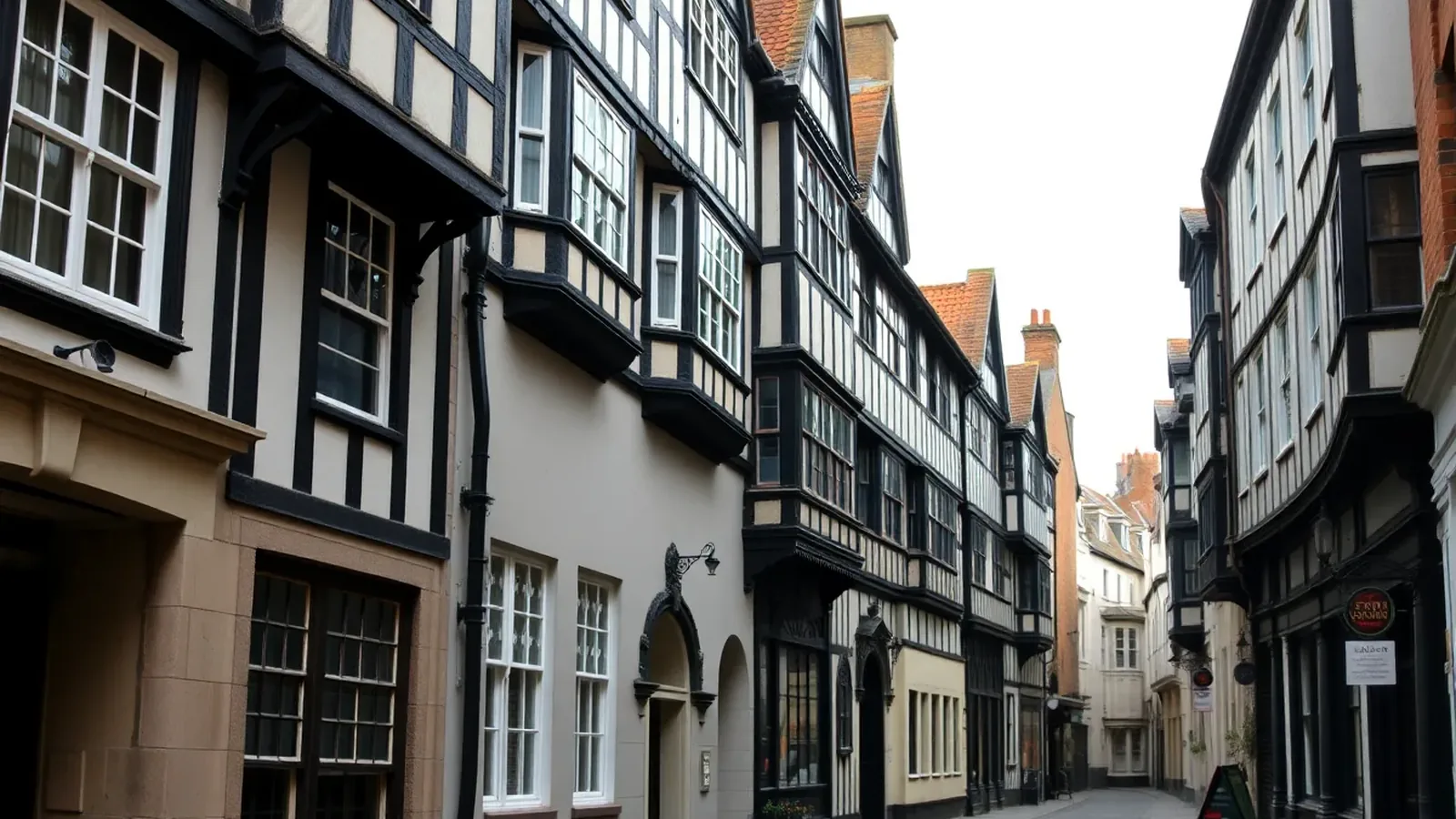
Exeter has a medieval centre, Georgian terraces in Southernhay and Victorian streets across the suburbs. Older buildings often hold oak, which another beetle, the death watch beetle, prefers. Newer homes mostly use softwood, which suits the common furniture beetle.
Because the city mixes ages, the right advice depends on the building. A listed or historic property needs more care than a 1930s semi. A survey names the species first, and that decides the method.
Why Exeter property is at risk
These Exeter building types raise the most woodworm questions.
Medieval and Tudor buildings
Oak frames can host death watch beetle, especially where past leaks left decay. These buildings need specialist advice.
Georgian terraces
Southernhay and similar streets have large floor and roof frames. Softwood is common, so furniture beetle is the usual suspect.
Victorian suburbs
Heavitree and St Leonard's have many Victorian terraces. Their original joists are now well over a century old.
Quay and Topsham properties
Waterside homes can be damp. Humid air in sub-floor voids helps beetle thrive.
Thatch and cob cottages
Rural cottages around Exeter often mix cob, thatch and timber. Roof timber there needs careful inspection.
Student lets
Shared houses may have little ventilation and few checks. Ask the landlord to inspect the loft.
A woodworm survey in Exeter
- 1
Send your details
Give us your Exeter postcode and say what you have seen. Holes, dust and beetles all help, because they show the surveyor where to look. A specialist will call to arrange a visit.
- 2
Survey
The surveyor checks the roof, floors and any sub-floor void. They identify the beetle and say whether it is still active.
- 3
Written quote
If treatment is needed, ask for a written quote. It should name the method, the area and the price. Compare it with typical costs, since methods and scope differ.
- 4
Treatment
Most spray jobs finish in a day, although a large loft can take longer. Ask how long to stay out of the room and when you can use the space again.
Areas around Exeter
Enquiries from these places in Devon go to a local specialist. Other areas are welcome, although we confirm availability by postcode.
Not on the list? Send your postcode anyway, because coverage grows. See areas we cover for every city.
- St Leonard's
- Heavitree
- Pennsylvania
- Topsham
- Exmouth
- Crediton
What treatment costs in Exeter
Prices depend on the size of the area, the access and the method, because every roof and floor differs. Fantastic Services puts a large loft or several rooms at £500 to £800 outside London, and MyJobQuote lists fogging or fumigation at £500 to £1,000 by size. Severe infestations and timber repairs cost more.
Our cost guide shows the ranges and the sources behind them. Always compare at least two written quotes, because methods and scope differ.
Woodworm treatment in Exeter & surrounding areas
Enquiries from Exeter and the wider Devon go to a local surveyor. Send your postcode and we will confirm who can visit, since cover depends on location.
Woodworm treatment in Exeter: your questions
How much does woodworm treatment cost in Exeter?
Costs vary with access, area and method. Fantastic Services puts a large loft or several rooms at £500 to £800 outside London, and MyJobQuote lists fogging or fumigation at £500 to £1,000 by size. See our cost guide for more.
Is death watch beetle a risk in Exeter?
It can be in older buildings with oak, particularly where the wood has been damp. It is rare in modern homes. The death watch beetle guide explains the signs.
Do you cover Topsham and Exmouth?
Yes. Enquiries from St Leonard's, Heavitree, Pennsylvania, Topsham, Exmouth and Crediton go to a local specialist. Visit areas we cover to see more.
Can I treat woodworm in a listed building?
Listed buildings often need consent for some work. Speak to the conservation officer before you start, and use a specialist who understands historic timber.
Helpful next steps
Worried about woodworm in your Exeter home?
Send your postcode and what you have found, because details help the surveyor prepare. A local specialist will call to arrange a survey.