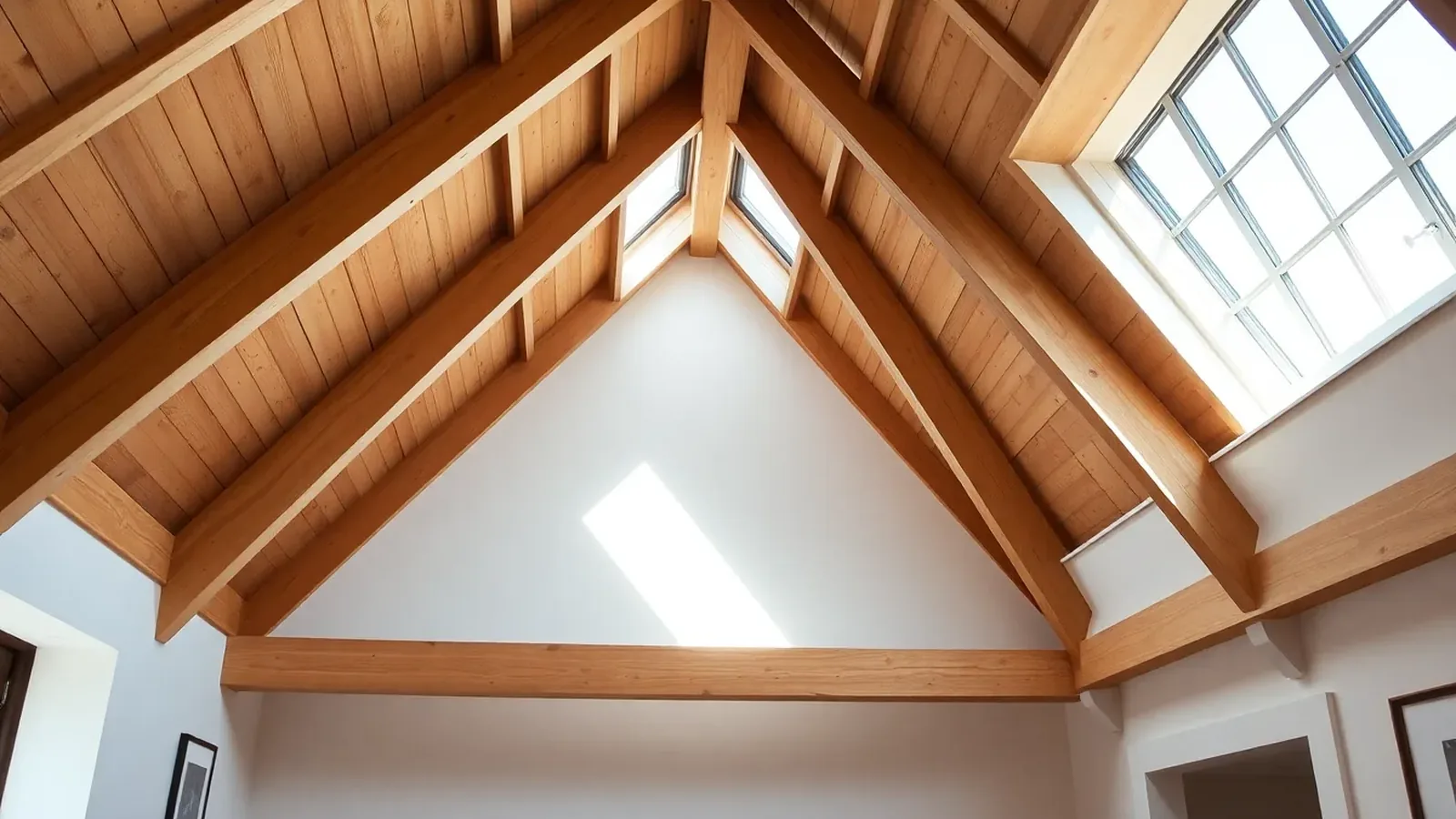
Woodworm, gone for good.
Learn to spot active beetle, because early action costs less. Then request a survey from a local specialist.
- Free, no-obligation enquiry
- Honest answer on active or historic beetle
- Plain-English guides and sourced prices
- Free, no-obligation enquiry
- Covers England, Scotland and Wales
- Active or historic? Get a straight answer
- Plain-English guides for every beetle
Woodworm hides for years before it shows
The grubs feed inside timber for several years. By the time you see a hole, the damage began long ago, because the adult leaves last.
Hidden damage
Larvae tunnel unseen, so exit holes are a late sign. Check floors, lofts and cellars each spring, because early action costs less.
One beetle, most homes
The common furniture beetle is the usual cause in UK homes. Name the beetle first, since treatment depends on the species.
Not always active
Many holes come from beetles that died out. A survey shows whether you need treatment at all.
Guides for every stage
From spotting the first hole to comparing quotes, each guide answers one question. Start with the one that matches your stage, because each links to the next.
Woodworm Treatment
Learn how woodworm is treated, because the steps affect the cost. Then you can ask a specialist the right questions.
Woodworm Survey & Inspection
A surveyor names the beetle and checks whether it is still active. Then they scope any treatment that is needed.
Woodworm Treatment Cost
See sourced 2026 UK price ranges for lofts, floors and whole houses. Learn what moves the price, because every job differs.
Dry Rot & Damp Treatment
Woodworm often travels with damp, so find the cause first. Learn how dry rot and damp are diagnosed and treated.
Commercial Woodworm Treatment
Get timber advice for landlords, agents, estates and listed buildings. Records matter here, because sales and lettings depend on them.
All treatment methods
Spray, boron paste, fumigation and timber repair, and how to choose between them.
The four tell-tale signs of woodworm
Caught early, woodworm is easier to treat. Use this checklist, then read the full identification guide while you inspect.
Round exit holes
Crisp holes about 1 to 2mm wide suggest recent activity. Older holes look darker at the rim, while fresh ones look pale.
Bore dust (frass)
Fine, gritty powder under holes means beetles may be active. Clean it away, and see whether it returns, since that proves a live problem.
Weak or crumbling wood
Timber that gives way underfoot or sounds hollow may have deep tunnels. Joists and rafters matter most.
Live or dead beetles
Small brown beetles near windows in late spring and summer are a clue. Dead ones in cobwebs count too, although they may be old.
Three steps to a clear answer
Follow this order, because each step informs the next.
- 1
Check the signs
Look for holes, dust and weak wood. Our checklist shows what matters, because some holes are harmless.
- 2
Request a survey
A local specialist names the beetle and checks whether it is active. Send your postcode through the quote form.
- 3
Compare written quotes
If treatment is needed, ask for a written quote. Compare it with published costs, since scope differs.
The woodworm life cycle
The beetle spends most of its life inside the timber. That is why early checks pay off.
- 1
Eggs laid
In late spring and summer, females lay eggs in cracks and end grain. The eggs hatch within weeks.
- 2
Larvae tunnel
Grubs eat through the wood for several years. They stay unseen below the surface, so damage builds quietly.
- 3
Pupation
The larva changes into an adult in a chamber near the surface. This happens shortly before it emerges.
- 4
Adult emerges
The beetle chews out and flies to mate. This is the first visible sign, yet the damage began years earlier.
UK woodworm species guide
Not all woodworm is equal. Correct identification decides the treatment, because each beetle behaves differently.
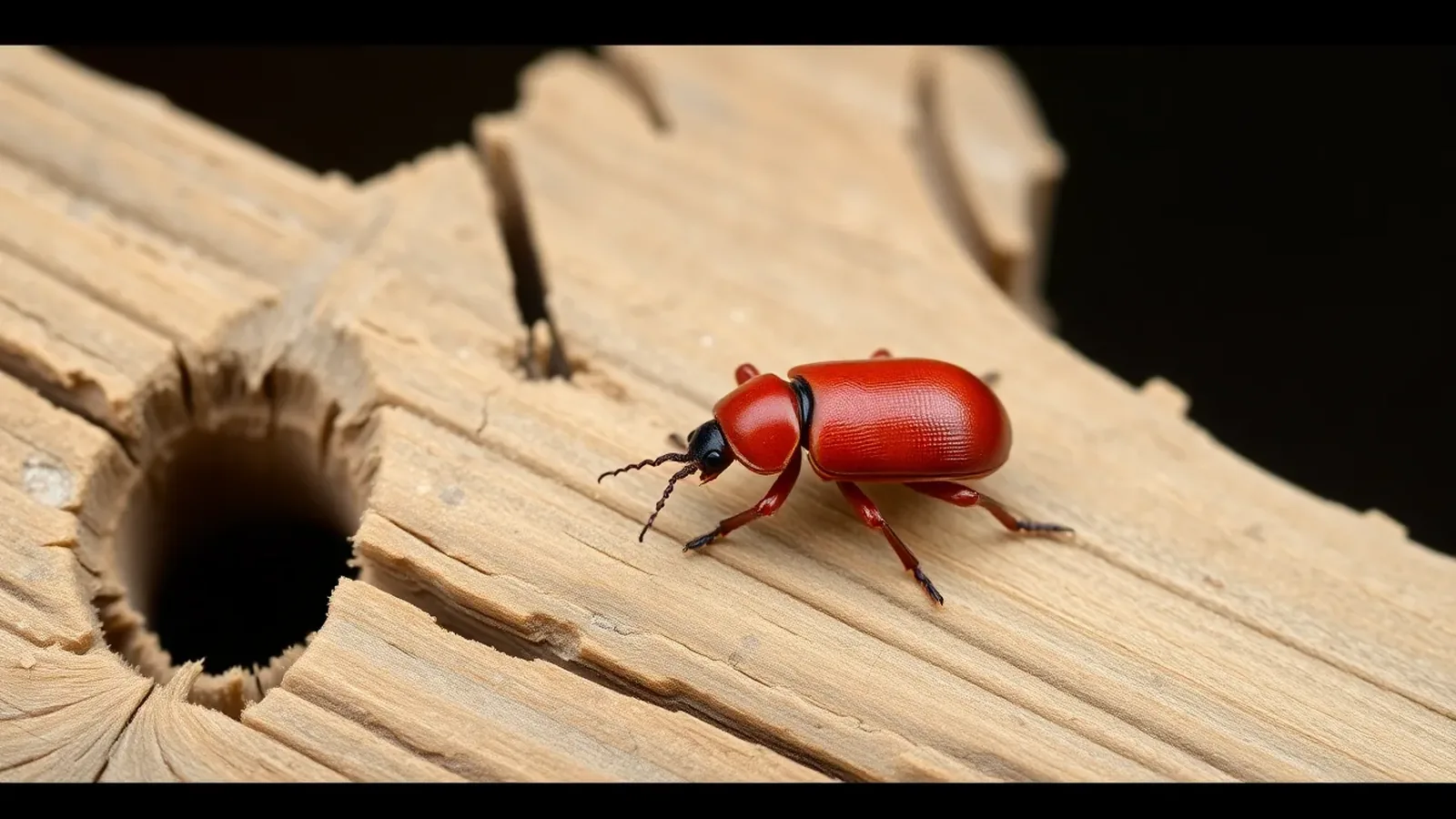 Common Furniture Beetle Anobium punctatum The most widespread UK woodworm. It leaves small round holes in softwood and some hardwood. Hole size 1–2mm · Moderate risk
 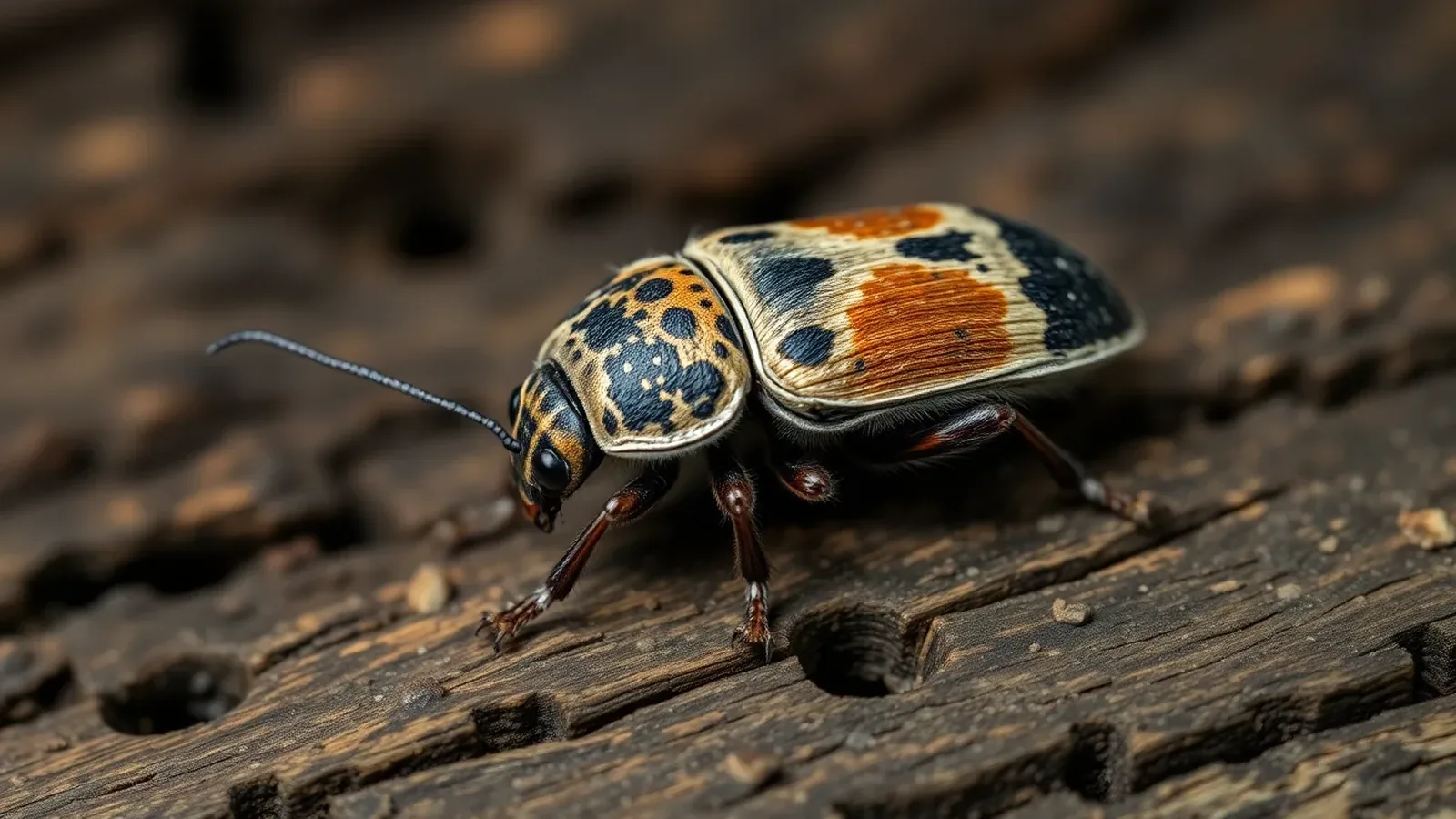 Death Watch Beetle Xestobium rufovillosum A beetle of old oak and historic buildings. It is slow, persistent and structurally serious. Hole size 2–3mm · High risk
 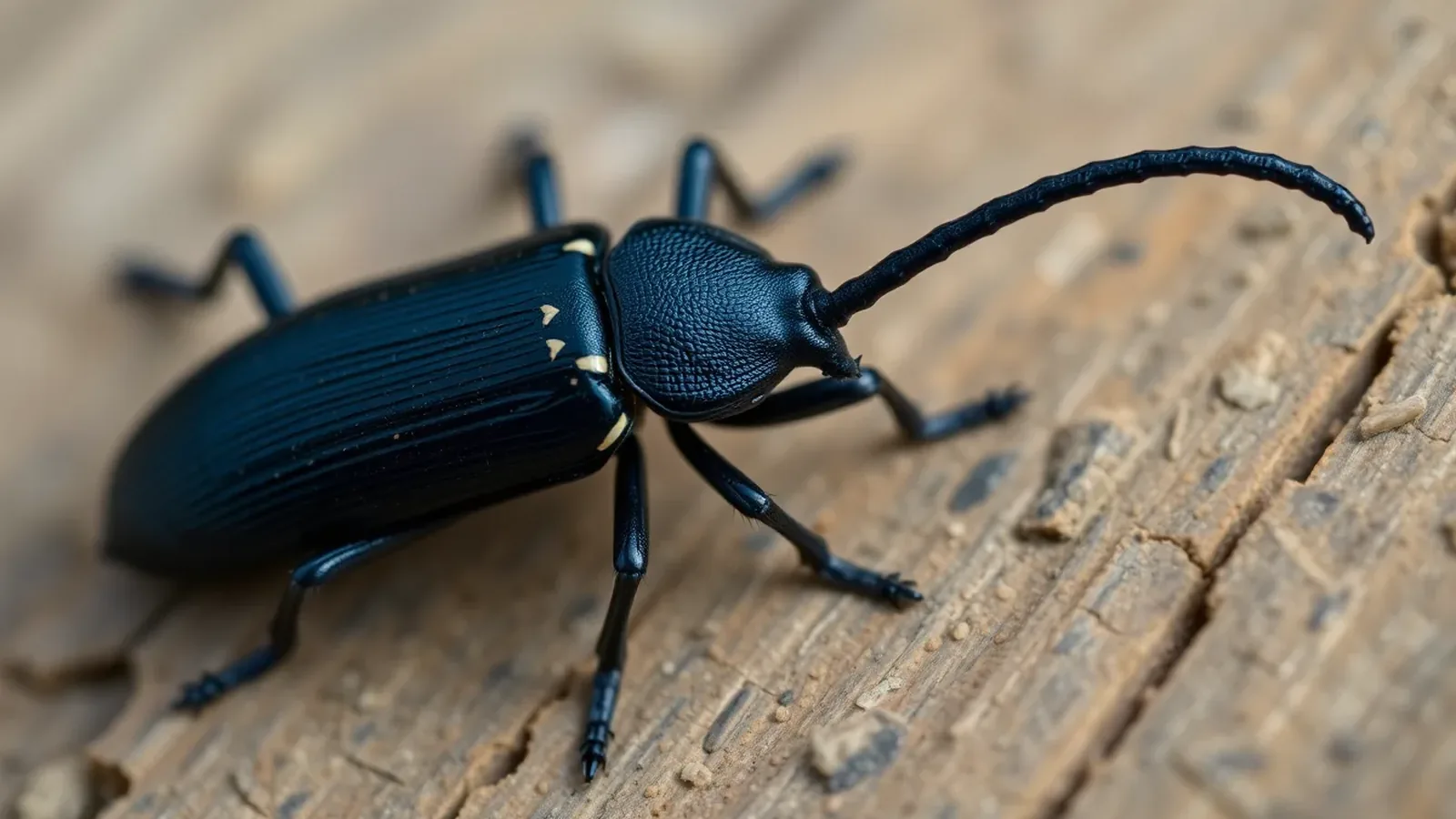 House Longhorn Beetle Hylotrupes bajulus A rare but damaging softwood borer, found mostly in parts of Surrey. Building rules apply in some districts. Hole size 6–10mm (oval) · Very high risk
 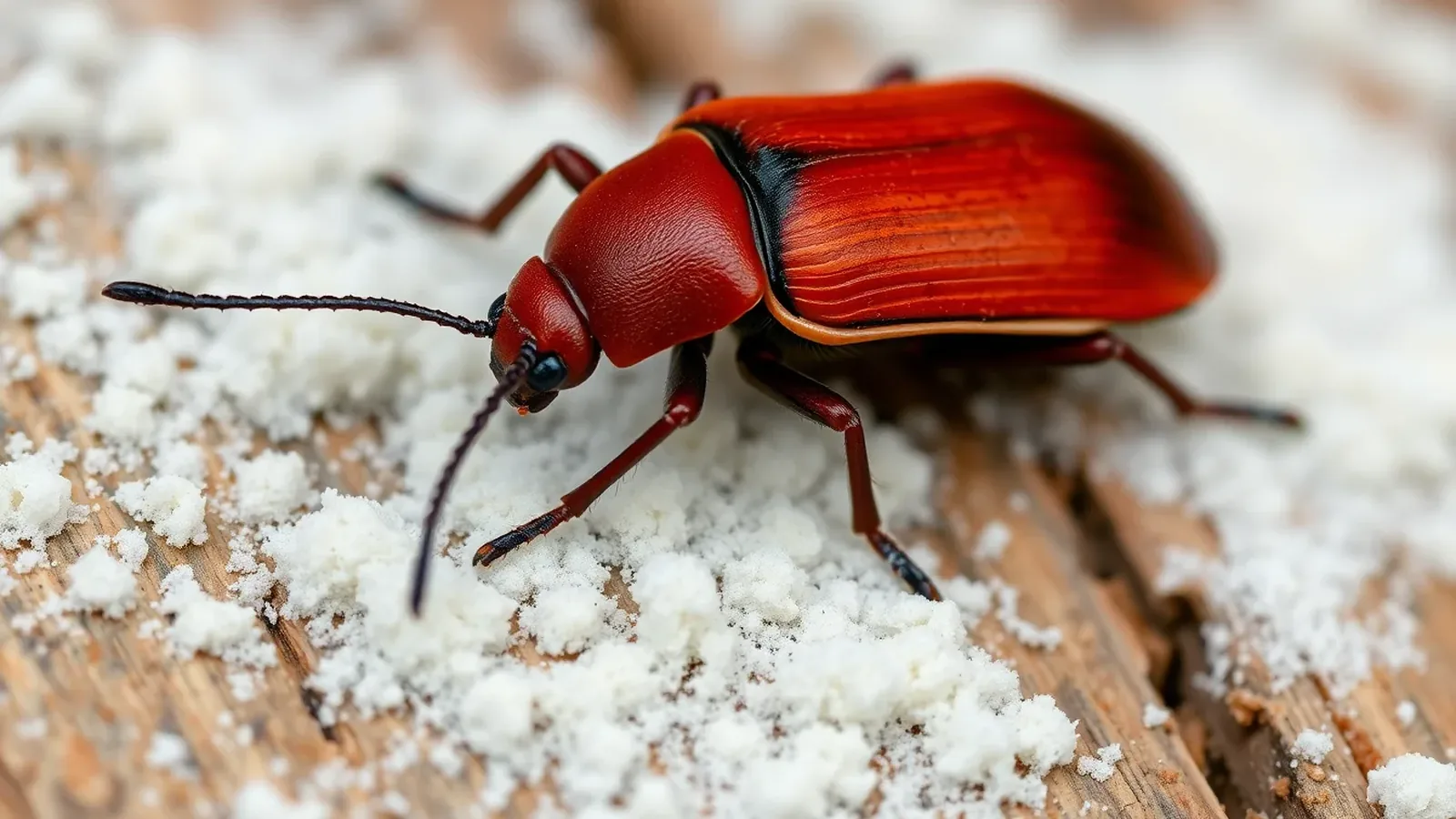 Powderpost Beetle Lyctus brunneus Attacks the sapwood of new hardwood such as oak and ash. It leaves flour-fine dust. Hole size 1–2mm · Moderate risk
 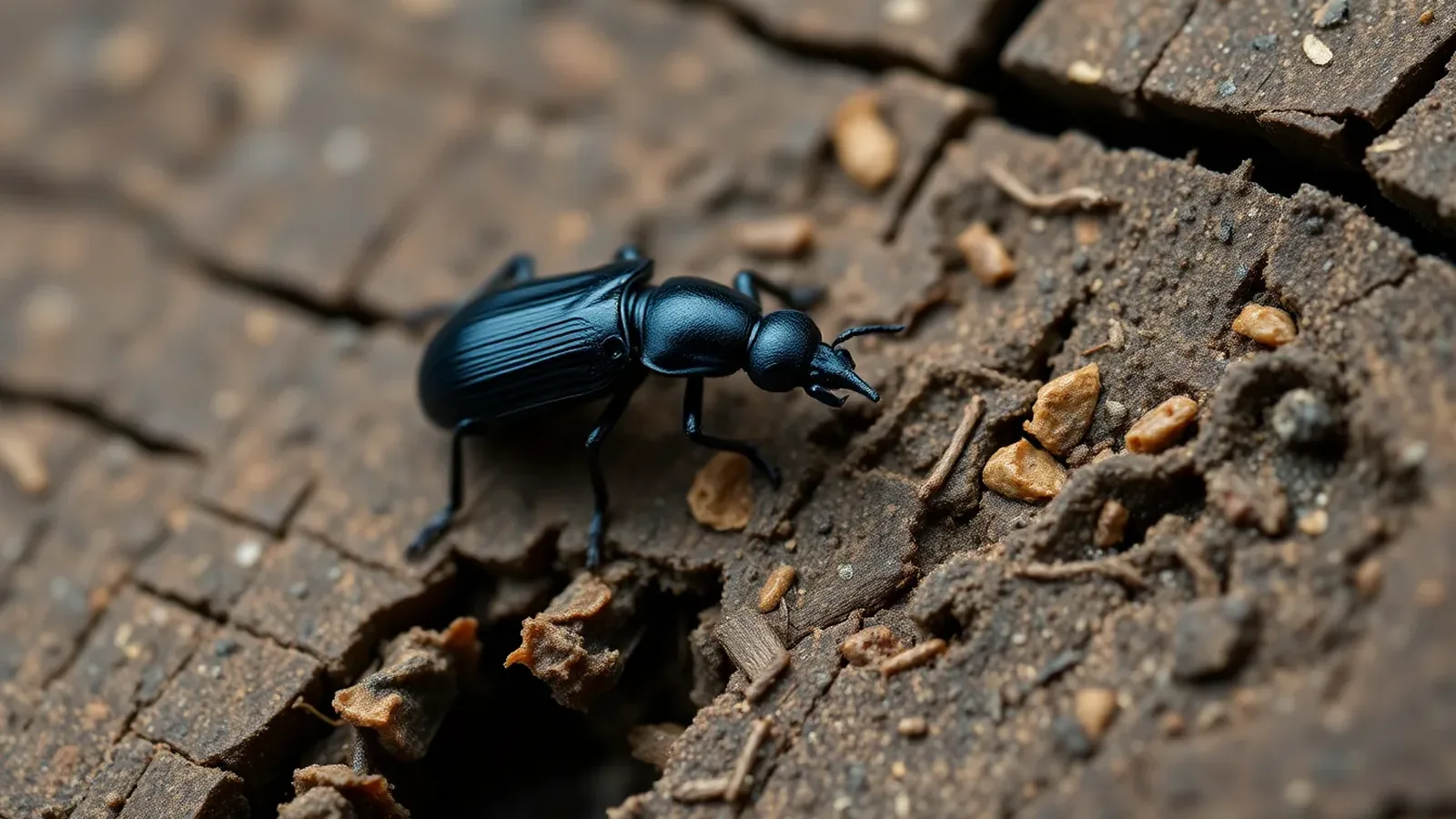 Wood-Boring Weevil Euophryum confine A secondary pest of damp, decaying timber. Its presence warns of a damp problem. Hole size 1mm (ragged) · Low risk
  Bark Borer Beetle Ernobius mollis Lives in bark and softwood edges. People often mistake it for furniture beetle, and it rarely needs treatment. Hole size 1–2mm · Low risk
 Woodworm help near you
Pick your city to read about local housing and see nearby towns. Enquiries go to a local specialist, since local knowledge speeds up a visit.
- LondonGreater London
- BirminghamWest Midlands
- GlasgowGreater Glasgow
- BristolSouth West England
- PlymouthDevon
- BournemouthDorset
- ExeterDevon
- Weston-super-MareSomerset
- ManchesterGreater Manchester
- LeedsWest Yorkshire
- SheffieldSouth Yorkshire
- EdinburghEdinburgh
- CardiffSouth Wales
- LiverpoolMerseyside
- NottinghamNottinghamshire
Woodworm guides and advice
Everything you need to identify, understand and treat woodworm, while costs stay clear. See all guides.
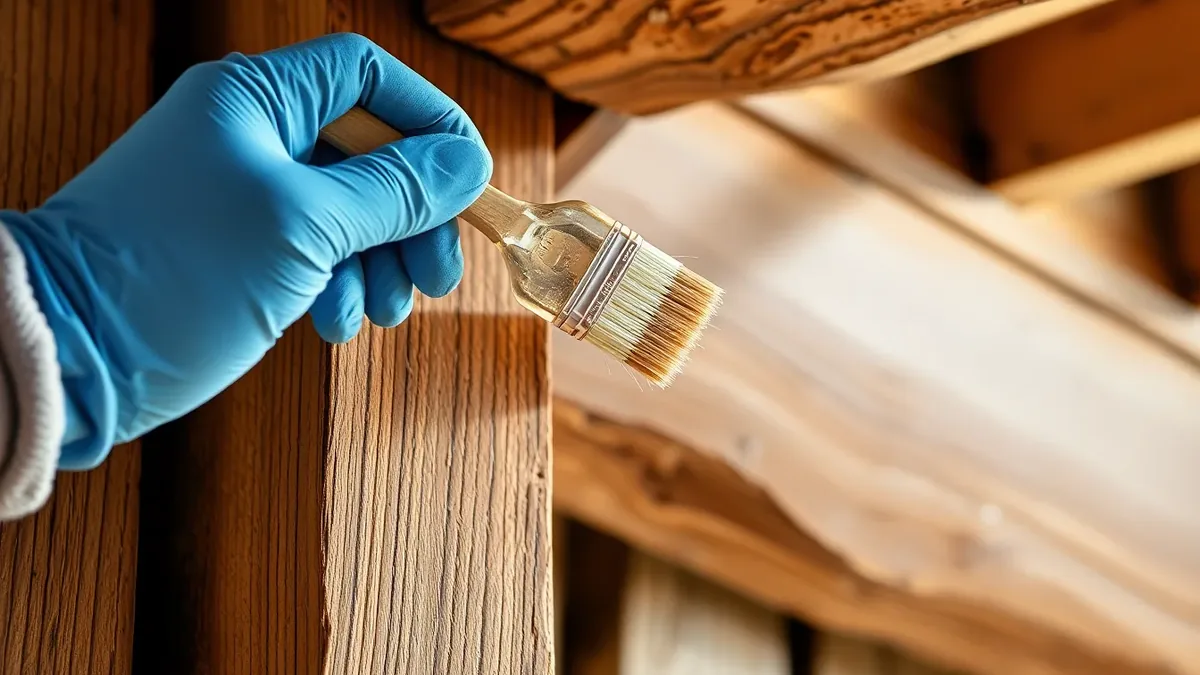 Guides How to Treat Woodworm: The Complete UK Guide A step-by-step UK guide to treating woodworm: confirm it is active, choose between DIY and professional methods, understand costs and stop it coming back.
 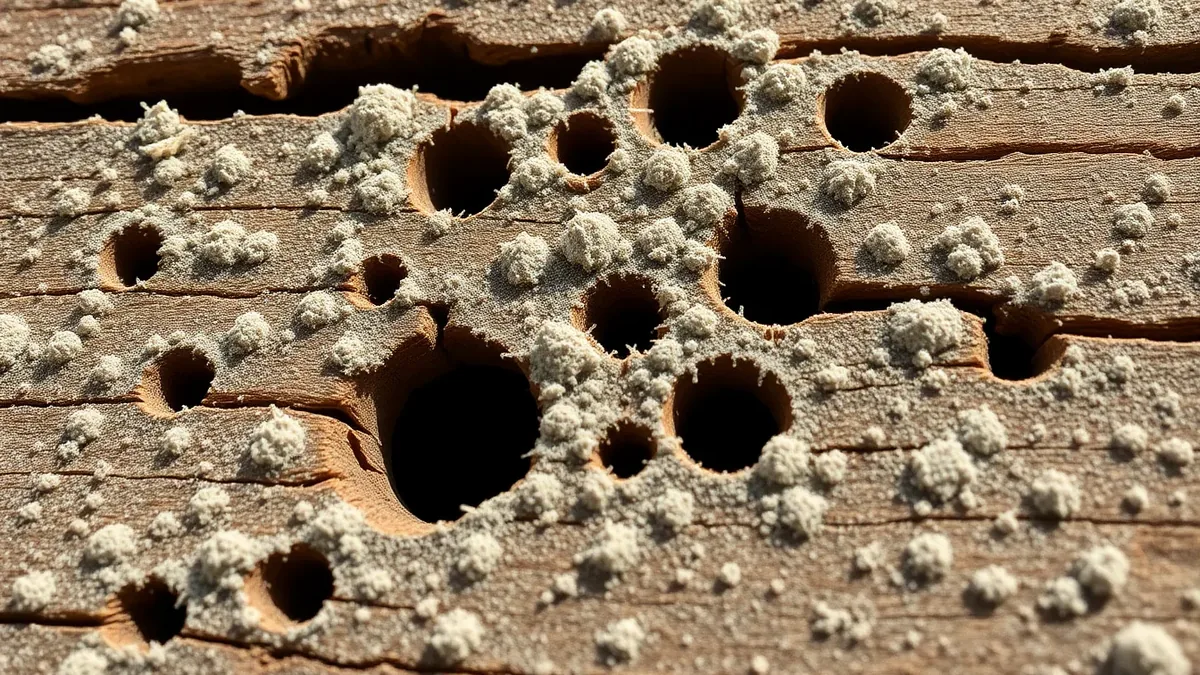 Identification Signs of Woodworm: How to Spot an Active Infestation Learn the seven signs of woodworm, from exit holes and bore dust to weak timber and beetles, and how to tell an active infestation from an old, dead one.
  Costs Woodworm Treatment Cost: 2026 UK Price Guide Published 2026 UK woodworm treatment costs by room, loft and whole house, with named sources, London differences and the factors that move the price of a quote.
 Woodworm: your questions
How do I know if I have woodworm?
Look for small round holes about 1 to 2mm wide, fine dust beneath them, soft wood and small beetles near windows. Our signs of woodworm guide walks through each one.
Is woodworm dangerous to my home?
Active woodworm can weaken joists, rafters and floorboards over the years. Most cases are slow and treatable. Read is woodworm dangerous?
How much does woodworm treatment cost?
Published guides put a single room at about £300 to £500 and a whole house at £800 to £1,000 or more. See the cost guide for sources.
How long does treatment take?
Many jobs finish in a day, although large lofts and repairs take longer. Ask the specialist when it is safe to use the room again.
Do I need a survey first?
Yes, in most cases. A survey names the beetle and shows if it is active. See what a survey covers.
Do you cover my area?
We take enquiries from England, Scotland and Wales. See areas we cover.
Get rid of woodworm — for good
Book a survey to find out whether the beetle is still active. Then you can decide what treatment, if any, you need.