Skip to content
WoodwormTreatmentHQ
Professional treating exposed timber roof rafters with a water-based woodworm spray

Treatment Methods

Woodworm Treatment Methods

There are four ways professionals treat wood-boring beetle. The right one depends on the species, how active it is and how easily we can reach the timber — and that is what a free survey decides.

  • Four proven methods — spray, boron paste, fogging, repair
  • The survey chooses the method, not a sales script
  • Every job backed by a 30-year guarantee
Call 0121 271 0061 Mon–Sun, 7am–8pm

Get your free quote

Tell us what you've noticed and where. A local woodworm surveyor will call you back to arrange a free, no-obligation survey.

One job, the right tools

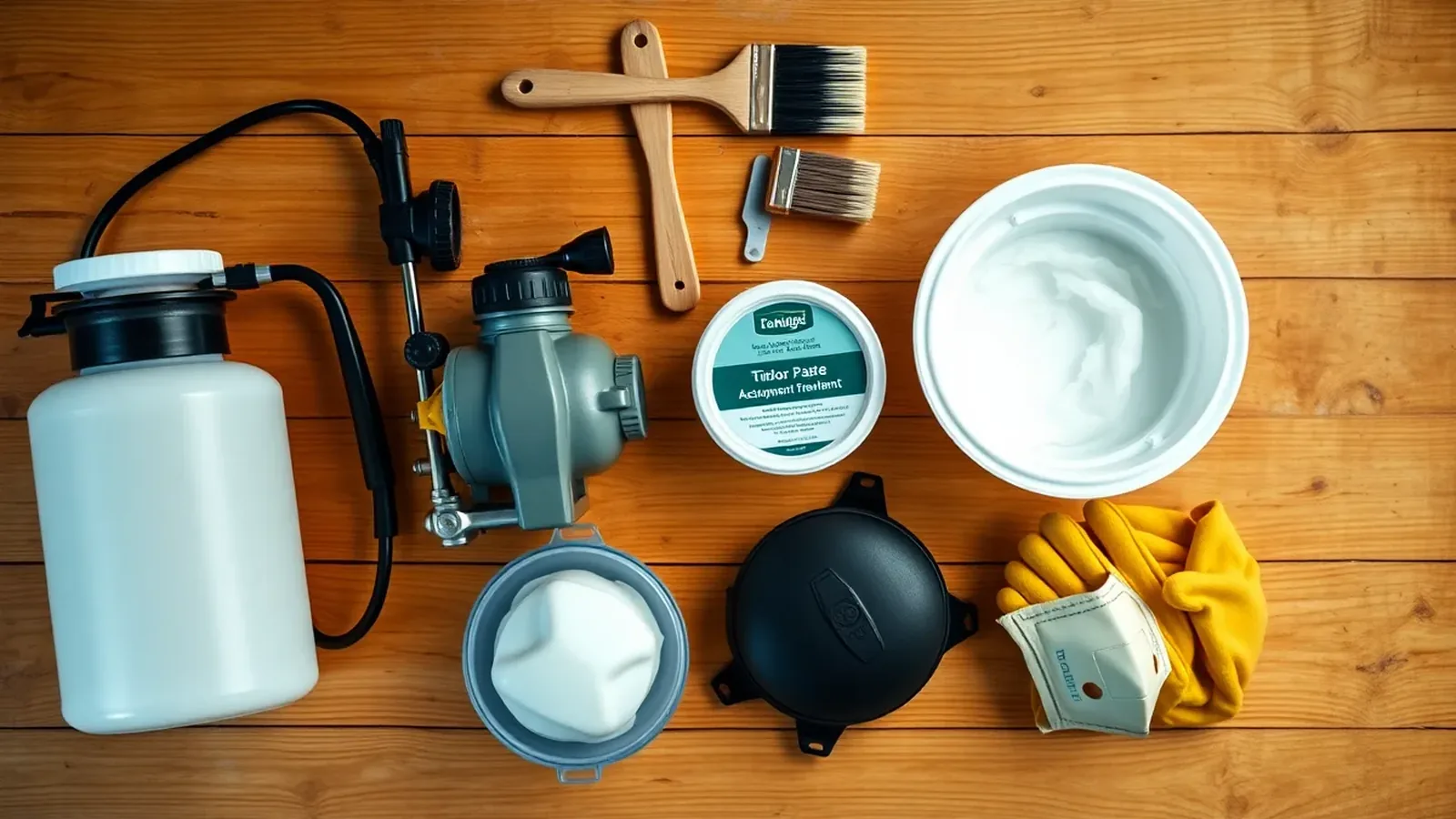
Four methods, matched to your timber

Most homeowners assume woodworm treatment means one thing: spraying. In practice, a good treatment plan uses the method — or combination of methods — that suits the beetle, the timber and the damage in front of us. The common furniture beetle (Anobium punctatum), responsible for around three quarters of UK cases, leaves neat 1–2mm holes in softwood and usually responds well to a surface spray. Death watch beetle in old oak, or house longhorn in roof timber, is a very different problem and may need paste and structural work.

That is why we never quote a method down the phone. A free survey comes first, every time — so the treatment fits the timber, not the other way round. Below, each method is explained in full on its own page.

The four methods

How each treatment works, and when we use it

Tap through to a full guide for each method, including how it is applied, drying times and safety.

Water-based permethrin

Insecticidal spray treatment

The standard professional treatment. A water-based permethrin spray is applied to accessible bare timber — floor joists, roof rafters, floorboards — to kill emerging adult beetles and treat the surface layers where larvae feed close to the surface. Low odour, touch-dry in hours.

Best for: Active common furniture beetle in accessible, sound softwood timber.

Read the full method →

Deep-penetrating boron

Boron gel & paste

A thicker boron-based gel or paste that diffuses deep into the timber over weeks rather than sitting on the surface. Ideal for joist ends bedded into damp masonry, heavy structural sections and timber you cannot fully spray. Very low odour and water-based.

Best for: Joist ends, structural beams, damp timber and hard-to-reach sections.

Read the full method →

Fogging & ULV

Fumigation & whole-property

Targeted fogging and whole-property approaches for widespread infestations, or where furniture and fitted timber make surface spraying impractical. Used less often than spray or paste, and always after a survey confirms it is the right call for the situation.

Best for: Widespread or repeat infestations where spray access is limited.

Read the full method →

Splice, resin & replace

Structural timber repair

When beetle damage — usually death watch or house longhorn — has gone beyond the surface and weakened the timber, treatment alone is not enough. We splice in new timber, use resin repairs or replace affected joists, rafters and beams, then protect the new and surrounding wood.

Best for: Timber that has lost structural strength and needs repair, not just treating.

Read the full method →

The survey decides

Four things that determine your treatment

No reputable firm recommends a method before seeing the timber. These are the factors a qualified surveyor weighs up before putting anything in writing.

The species

Common furniture beetle in sound softwood is usually a spray job. Death watch beetle in old oak, or house longhorn in roof timber, often needs paste and structural work.

How active it is

Genuinely active infestations need treating. Historic, long-dead damage may need nothing more than monitoring — which is why honest identification matters.

Access to the timber

Open joists and bare rafters take a spray well. Boxed-in, plastered or buried timber often calls for paste or, occasionally, fogging.

Damp and decay

Wood-boring weevil and damp-driven attack mean the underlying moisture must be fixed first, or the beetle simply returns.

Whatever the method

The same standards on every job

However your timber is treated, the process and the protections stay the same.

  • A free, no-obligation survey and honest identification before any work is quoted
  • A fixed written quote — no surprises once the work begins
  • Treatments applied to UK and PCA-aligned standards by trained technicians
  • Most homes treated in a single day, with timber touch-dry in hours
  • A written treatment certificate and a 30-year guarantee on treated timber

Treatment standards are overseen by bodies including the Property Care Association. For historic or listed timber, Historic England publishes guidance on sympathetic repair.

Keep reading

Frequently asked questions

Which woodworm treatment method is best?
There is no single best method — the right one depends on the species, how active the infestation is, and how accessible the timber is. Water-based insecticidal spray suits most active common furniture beetle in accessible timber, while boron paste is used for joist ends and structural sections. A free survey decides which is appropriate for your home.
How does a surveyor decide which treatment I need?
The surveyor identifies the beetle species from the exit holes and bore dust, confirms whether the infestation is active or historic, and checks how much of the timber can be reached. They also look for damp, which often has to be tackled first. Only then do they recommend spray, paste, fogging or structural repair.
Are professional woodworm treatments safe once dry?
Yes. Modern water-based treatments are applied to UK and HSE standards and are safe for people and pets once the timber is touch-dry and the area has ventilated, usually within a few hours. You can read more about chemical safety at the HSE.
How long do these treatments last?
Professional timber treatment is designed to be a long-term fix, and treated timber on our jobs is covered by a 30-year guarantee with a written certificate. Keeping timber dry and well ventilated is the single best way to stop woodworm returning. See our full woodworm treatment overview for what is included.

Get rid of woodworm — for good

Book a free survey today. Fixed written quote, BPCA-trained technicians and a 30-year guarantee on treated timber.

0121 271 0061 No call centres · Speak to a surveyor

Request your free survey

Two details to get started.

Free survey · No obligation · 30-year guarantee