Skip to content
WoodwormTreatmentHQ
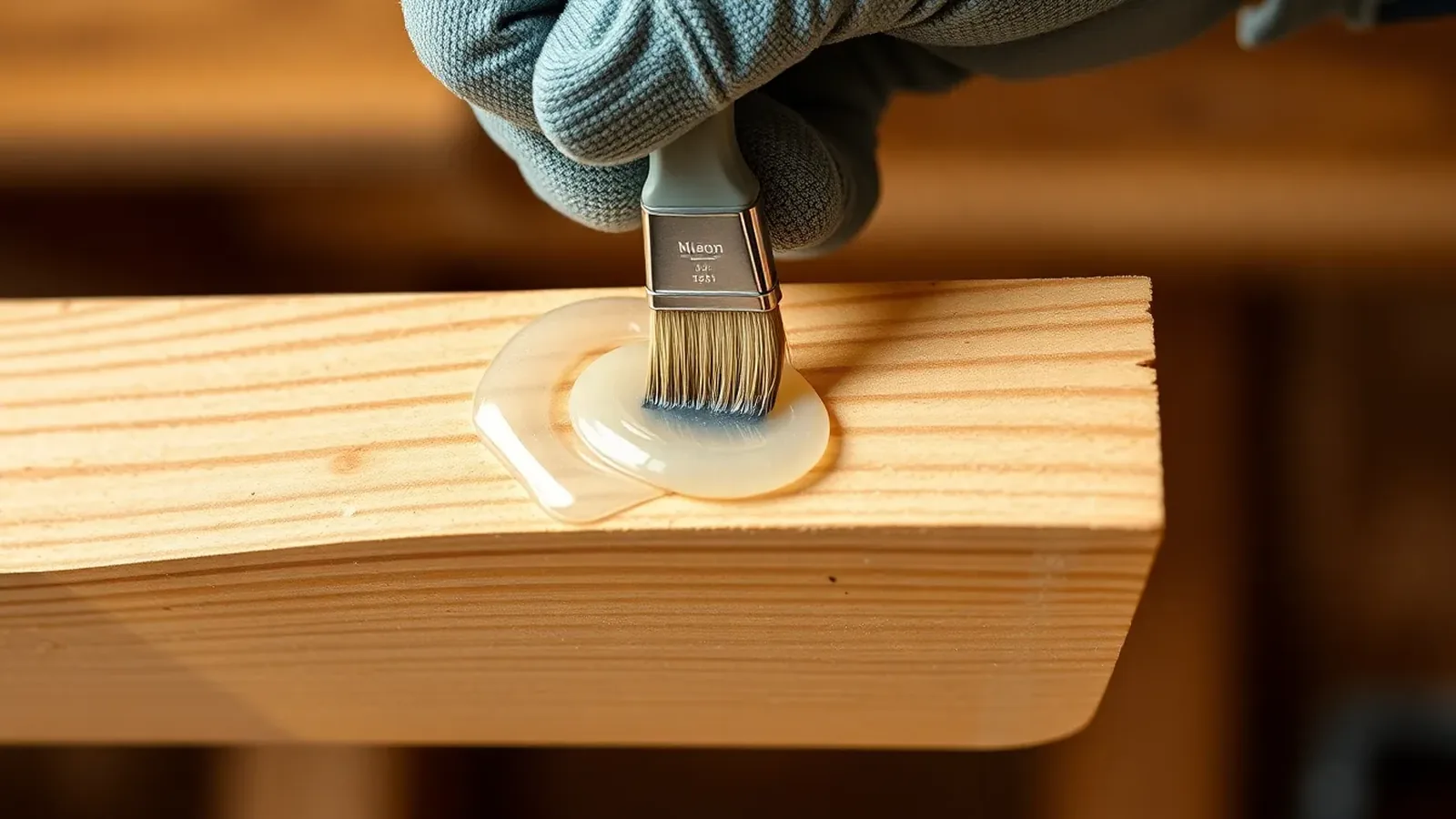
Boron paste applied to the end of a structural timber floor joist bedded into masonry

Treatment Methods

Boron Gel & Paste Treatment

A deep-penetrating, water-based boron treatment for the timber a surface spray cannot reach — joist ends, heavy structural sections and hard-to-reach wood. Very low odour, and it diffuses into the timber over time.

  • Diffuses deep into damp and structural timber
  • Very low odour — suited to occupied and historic homes
  • Backed by a 30-year guarantee on treated timber
Call 0121 271 0061 Mon–Sun, 7am–8pm

Get your free quote

Tell us what you've noticed and where. A local woodworm surveyor will call you back to arrange a free, no-obligation survey.

Deep, where it matters

When surface treatment is not enough

A water-based insecticidal spray is the right answer for active beetle in accessible, sound softwood — but it treats the surface and the layers just beneath it. Some of the most serious woodworm sits where a spray simply cannot reach: the buried ends of floor joists, the heart of a thick structural beam, damp timber bedded into a cool wall. For these, professionals turn to boron gel and paste.

Boron is water-soluble, so rather than coating the surface it travels with the moisture in the timber and diffuses inward over time. That makes it the natural choice for damp, structural and hard-to-reach wood — and its very low odour suits occupied homes and sensitive, historic timber. As always, a free survey confirms the species and decides whether paste, spray, or a combination, is right for your property.

How it works

Boron that diffuses into the wood

Boron paste and gel are based on borate salts, usually disodium octaborate. Because borates dissolve in water, they move with the moisture already present in the timber. Applied to a damp or moist section, the borate dissolves and diffuses steadily inward through the wet wood over days and weeks, reaching depths a surface coating never could.

Once in the timber, boron treats wood-boring beetle larvae and also acts against the fungal decay that so often accompanies them. The damper the wood, the further the boron travels — which is exactly why paste suits the cool, moist joist ends and structural junctions where active woodworm and decay take hold together.

Why surveyors reach for paste

  • Diffuses deep into the timber rather than coating the surface
  • Treats damp joist ends and buried structural sections
  • Acts against fungal decay as well as beetle larvae
  • Very low odour — comfortable in occupied homes
  • Water-based and well suited to historic and listed timber

Where it is used

The timber paste is made for

Boron gel and paste come into their own in the places a spray struggles to protect — deep, damp and difficult.

Joist ends in damp masonry

The buried ends of floor joists sit in cool, damp walls — a classic hotspot for active beetle and decay. Paste is applied to the exposed face and diffuses inward through the moist timber to reach the buried section a spray never could.

Heavy structural timber

Bressummers, beams, wall plates and large-section joists are too thick for a surface spray to protect throughout. Boron diffuses deeper into the section over time, treating timber a spray would only coat.

Old oak and historic timber

Death watch beetle (Xestobium rufovillosum), with its 3mm holes, favours old oak in historic buildings. Low-odour, water-based boron is well suited to sensitive and listed timber where heavy solvents are unwelcome.

Hard-to-reach and boxed-in wood

Where timber is partly enclosed, behind panelling or awkward to spray on all sides, a paste can be worked into the accessible face and left to do its job, rather than relying on full surface coverage.

Application & odour

What to expect on the day

How it is applied

Paste is applied directly to the timber by brush or trowel as a thick layer, concentrated on joist ends, beam faces and the worst-affected sections. For deep structural work, it may be packed into pre-drilled holes so the boron can diffuse from the centre of the section outward. Unlike a spray, paste stays put where it is placed and works gradually over the following weeks.

Low odour and living with it

One of the real advantages of boron is how little it smells. Being water-based and borate-rich rather than solvent-based, paste is low odour, which makes it comfortable to use in occupied homes and around sensitive, historic timber where a strong-smelling product would be unwelcome. Borates are low-hazard to people and pets at the concentrations used, and the area is left to settle before normal use.

Standards and protected wildlife

All treatment is carried out to UK and Property Care Association standards, in line with HSE guidance on biocide safety. For historic or listed buildings, Historic England publishes advice on sympathetic timber repair. Where work is in a roof space, remember that bats are legally protected and a bat check may be needed first.

Paste, or spray?

Surface-active beetle in accessible, sound softwood is usually treated faster and more economically with an insecticidal spray. Reach for paste when the timber is damp, deep, structural or hard to coat on every face — and often the two are used together, spray across the open surfaces and paste on the joist ends.

Paste, or repair?

Treatment protects timber that is still sound. Where beetle damage — particularly death watch or house longhorn — has weakened a joist, rafter or beam beyond safe use, no chemical can restore lost strength. That timber needs structural repair or replacement, with paste protecting the new and surrounding wood.

Prefer a lower-toxicity approach? Boron is at the heart of most low-hazard options — our guide to natural woodworm treatment takes an honest look at borax, boron and other gentler methods, and when they genuinely work.

Frequently asked questions

What is boron woodworm treatment?
Boron treatment uses boron compounds — typically disodium octaborate, a borate salt — formulated as a gel or paste. Unlike a surface spray, boron diffuses into damp or moist timber over time, carrying the active ingredient deep into the wood to treat beetle larvae and decay further from the surface. It is water-based and very low odour. For lighter, surface-active infestations, an insecticidal spray is often used instead.
Is boron paste safe to use in the home?
Borates are low-odour and low-hazard to people and pets at the concentrations used in professional timber treatment, which makes paste a sensible choice in occupied homes and around sensitive timber. As with any treatment it is applied to UK standards, and the area is left to settle before normal use. See the HSE for guidance on biocide and pesticide safety.
How does boron diffuse into the timber?
Boron compounds are water-soluble, so they travel with the moisture already in the timber. Applied as a paste to a damp or moist section — a joist end in a cool wall, for example — the borate dissolves and diffuses inward through the wet wood over days and weeks, reaching depths a surface spray cannot. The damper the timber, the further and faster the boron moves, which is why paste suits exactly the damp, structural locations where beetle and decay take hold.
When is boron paste used instead of spray?
Boron paste is chosen for joist ends, heavy structural timber, damp wood and hard-to-reach sections — places where a surface spray cannot reach deep enough or cannot coat every face. Where damage has gone beyond treatment and the timber has lost strength, structural repair or replacement is needed alongside it. A surveyed treatment plan decides the right combination.

Get rid of woodworm — for good

Book a free survey today. Fixed written quote, BPCA-trained technicians and a 30-year guarantee on treated timber.

0121 271 0061 No call centres · Speak to a surveyor

Request your free survey

Two details to get started.

Free survey · No obligation · 30-year guarantee