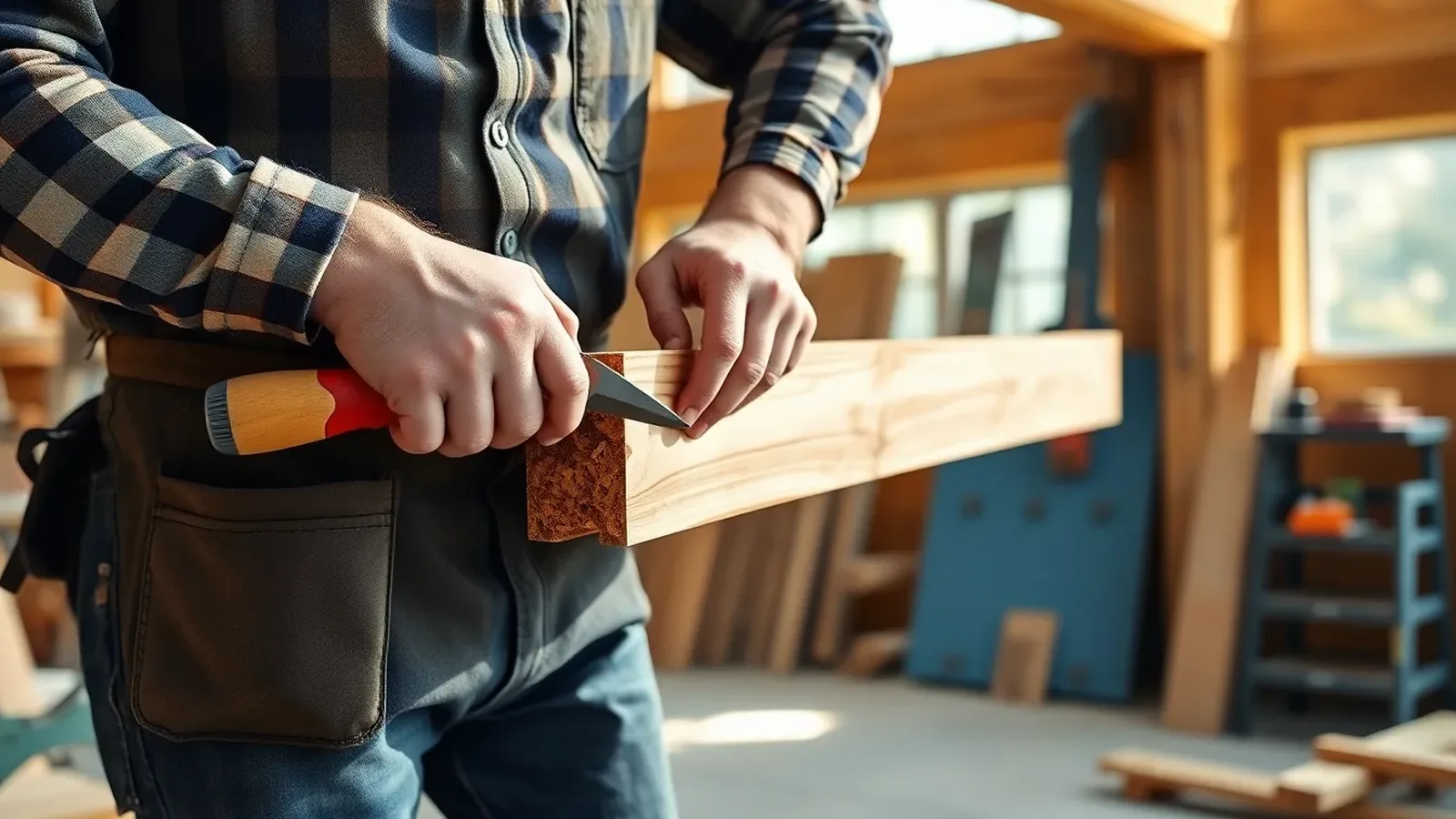
Structural repair
Structural Timber Repair & Replacement
When beetle damage has gone beyond treatment, we splice, resin-repair or replace affected joists, rafters and beams — and treat the timber around them.
- Splicing, resin-and-rod repairs and full timber replacement
- We make the area safe and treat surrounding sound timber
- Written certificate and a 30-year guarantee on treatment
Get your free quote
Tell us what you've noticed and where. A local woodworm surveyor will call you back to arrange a free, no-obligation survey.
When treatment isn't enough
When woodworm damage has gone structural
Most woodworm is caught while the timber is still sound, and an insecticidal treatment is all that is needed. But where an infestation has run undetected for years — the common furniture beetle works on a three-to-four-year lifecycle, and death watch beetle can persist for decades — the wood itself can lose so much section that it no longer carries its load safely. At that point, killing the beetle is only half the job. The timber needs repairing too.
The warning signs are physical. Floors that bounce, dip or feel spongy underfoot. Rafters and joists that crumble when you press a screwdriver into them, or sound hollow when tapped. Frass spilling from tunnelled wood. Visible collapse where the surface has caved in and the beam has lost its shape. These point to lost structural section — and that is a repair question, not just a spray question.
If you are weighing up how serious your situation is, our guide on whether woodworm is dangerous explains the structural and safety risks in plain terms. The honest answer is that sound timber rarely fails — but badly tunnelled, long-neglected joists and beams genuinely can, which is why we assess before we treat.
How we repair
Splicing, resin repairs and full replacement
There is no single fix. The right repair depends on how much sound timber is left and whether the member is hidden softwood or visible period oak.
Splicing & timber piecing
Where a joist, rafter or beam end has decayed but most of the run is sound, we cut back to clean timber and splice in a new, pre-treated length. Bolted plates, scarf joints or sister joists carry the load while keeping the original member in service. This is the workhorse repair for damaged joist ends bedded into damp masonry.
Resin & rod repairs
For historic, oak or hard-to-replace timber, we bond stainless rods into the sound wood and cast a structural resin to rebuild the lost section in place. It restores strength without removing the original beam — ideal for visible period timber where replacement would destroy character and is often the conservation-preferred option.
Full timber replacement
When a member has lost too much section to be trusted, the safest route is to take it out and fit new, pre-treated timber of the correct grade and size. We replace floor joists, roof rafters, purlins, bressummers and beams, matching dimensions so the structure performs exactly as it should.
For listed and historic buildings, repair choices also have to respect the fabric. Historic England favours retaining original timber where it can be safely repaired — which is exactly where resin-and-rod repairs earn their place over wholesale replacement.
Our process
How we make safe, repair and treat
Structural work and beetle treatment are handled as one job, so you finish with timber that is both strong and protected.
Make safe & assess
First we make the area safe — propping, temporary support or restricting use of a floor where a member is failing — then a surveyor measures how much sound timber remains and decides repair versus replacement for each beam.
Repair or replace
We splice, resin-repair or fully replace the affected joists, rafters and beams to the right grade and size, restoring load capacity and matching the original structure so floors feel solid and roofs sit true.
Treat & certificate
We treat the surrounding sound timber against live beetle, use pre-treated timber for all new work, then issue a written certificate and 30-year guarantee covering the treatment.
Not just the broken beam
Treating the surrounding timber
Replacing a failed joist is pointless if the beetle is still alive in the timber around it. Structural repair only lasts if the surrounding wood is treated at the same time, so we never separate the two. While the area is open and accessible — the best moment to reach joist ends, bearers and the backs of timbers — we treat the adjacent sound wood against any remaining infestation.
For deep or hard-to-reach structural timber, we use boron gel and paste, which penetrates into the heart of the wood and into joist ends bedded in damp masonry, rather than only coating the surface. Every new length of timber we splice or install is pre-treated before it goes in, so the repair is protected from day one.
Damp matters too. Wood-boring beetle thrives in timber that has stayed damp, so part of a lasting repair is finding and fixing the moisture that let the infestation take hold — otherwise even new, treated timber sits in the conditions the beetle prefers.
A repair that lasts includes
- Repaired or replaced timber restored to the correct grade and size.
- Surrounding sound timber treated against live beetle.
- Pre-treated timber used for every new spliced or replaced length.
- The underlying damp diagnosed so the infestation can't restart.
Related treatments & guides
Boron Gel & Paste Treatment
Deep-penetrating paste for structural timber and joist ends — what we treat surrounding wood with.
Learn more →Woodworm Treatment
Our main service: survey, diagnosis and guaranteed eradication for homes and commercial property.
Learn more →Death Watch Beetle
The hardwood specialist behind much structural damage in old oak and historic buildings.
Learn more →Is Woodworm Dangerous?
How structurally serious woodworm really is, when timber fails, and when to act fast.
Learn more →Woodworm Survey & Inspection
A qualified surveyor assesses how much sound timber remains and whether repair is needed.
Learn more →Woodworm Treatment Cost
What treatment and repair cost by room, roof and whole house — and what moves the price.
Learn more →Frequently asked questions
How do I know if woodworm damage is structural?
Can damaged timber be repaired, or does it have to be replaced?
Do you treat the surrounding timber as well as repairing it?
Is death watch beetle damage worse than common furniture beetle?
Get rid of woodworm — for good
Book a free survey today. Fixed written quote, BPCA-trained technicians and a 30-year guarantee on treated timber.
Request your free survey
Two details to get started.