Skip to content
WoodwormTreatmentHQ
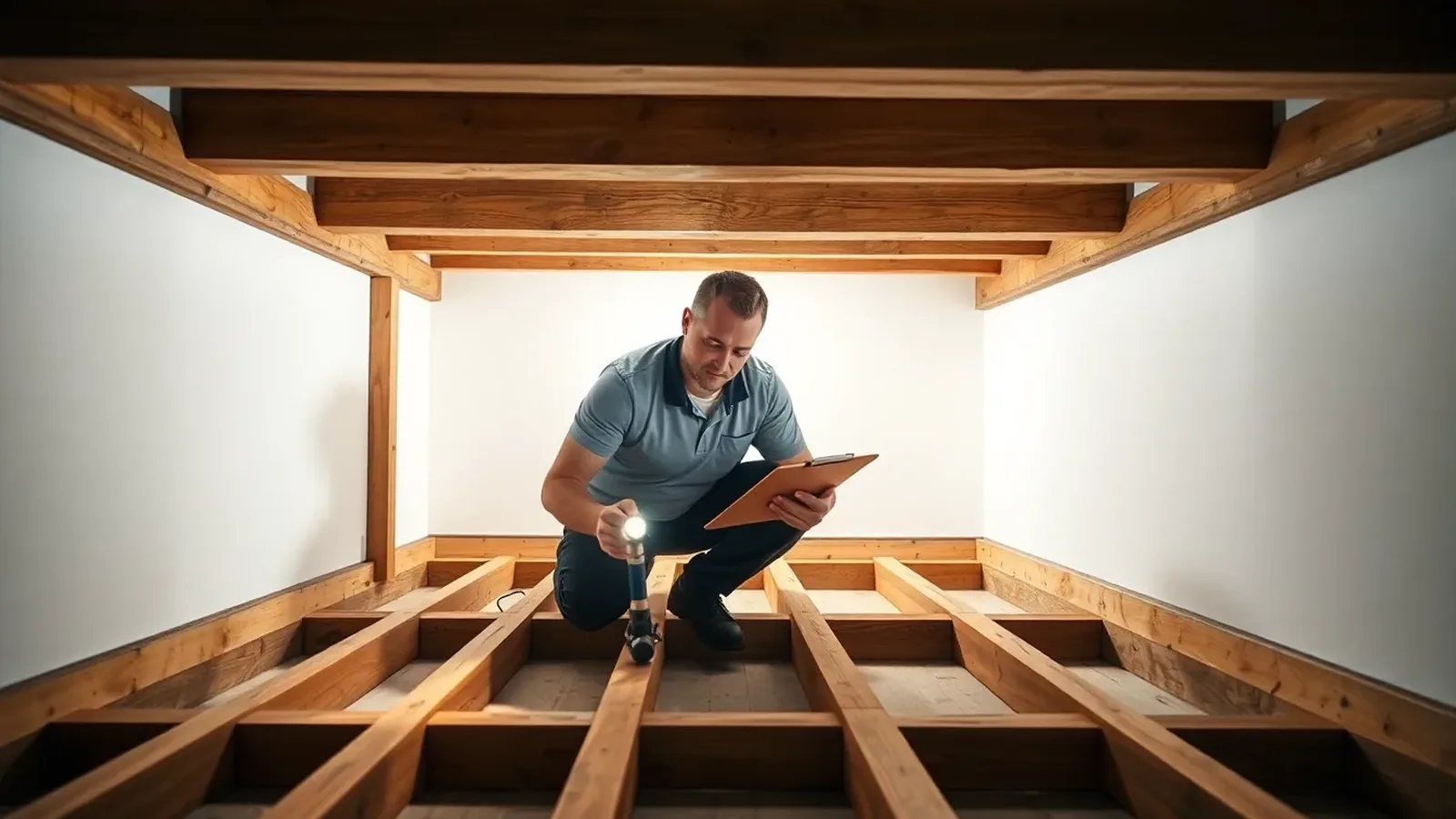
Qualified surveyor inspecting timber roof rafters in a British loft for signs of woodworm

Free for most homeowners

Woodworm Survey & Inspection

A qualified surveyor confirms whether your woodworm is active or historic, identifies the species and scopes any treatment — with a written report and fixed quote you can trust.

  • Active or historic? We tell you the truth, in writing
  • Correct species identification before any treatment
  • Written report, fixed quote and 30-year guarantee
Call 0121 271 0061 Mon–Sun, 7am–8pm

Get your free quote

Tell us what you've noticed and where. A local woodworm surveyor will call you back to arrange a free, no-obligation survey.

What's included

What a woodworm survey covers

A proper woodworm inspection is more than a quick look at a few holes. It is a structured assessment of your timber, the beetle responsible and the conditions keeping it alive.

Every accessible timber element

The surveyor inspects roof timbers, floor joists, floorboards, skirtings, staircases, structural beams, lintels and any exposed sapwood — the places wood-boring beetle is most often found.

Species identification

Exit-hole size and shape, frass texture and the timber affected all point to a particular beetle. A 1–2mm hole suggests common furniture beetle; a 3mm hole in old oak points to death watch beetle; a 6–10mm oval hole means house longhorn.

Active or historic assessment

The single most important judgement: is the infestation live and feeding now, or old and long dead? This decides whether you need treatment at all, and what kind.

Underlying damp and decay

Beetles thrive in damp timber. The surveyor checks moisture readings and looks for the damp, wood-rotting fungus or wet rot that let the infestation take hold in the first place.

Extent and scope

Which rooms and which timbers are affected, how far the damage has spread, and whether any timber has been weakened enough to need repair rather than treatment.

A clear written report

Findings, photographs where useful, the species identified, an active-or-historic verdict, and a fixed written quote for any treatment recommended — with no obligation to proceed.

The key question

How we confirm active vs historic infestation

Most timber in older homes carries old woodworm holes. The vast majority are historic — beetles that emerged and died years ago. Treating them is a waste of money. Here is how a surveyor tells the difference.

Fresh, clean exit holes

Sharp, pale, light-coloured holes with crisp edges suggest beetles have emerged recently. Old holes are dull, dark and weathered, often the same colour as the surrounding wood.

Fresh frass

Clean, pale bore dust that trickles out when timber is tapped is a strong sign of an active infestation. The surveyor may clear holes and check whether new frass appears.

Live or recently dead beetles

Adult beetles emerge between roughly May and September. Live beetles near windows, or fresh dead ones on sills and in cobwebs, point to an ongoing life cycle.

Damp, vulnerable timber

Common furniture beetle runs a 3–4 year life cycle and favours timber with raised moisture content. Where the surveyor finds damp, an active infestation is far more likely.

No single sign is conclusive on its own, which is why an experienced eye matters. A surveyor weighs the hole condition, the frass, the season, the moisture readings and the timber together before reaching a verdict. If the evidence is borderline, we may recommend monitoring rather than rushing into treatment. For a fuller explanation, read our guide to active vs historic woodworm and the wider signs of woodworm.

Your paperwork

The report and treatment certificate you receive

After the visit you are sent a clear, written survey report. It sets out exactly what was found, in plain language, so you can make a calm and informed decision — whether or not you treat with us.

  • The beetle species identified and the timbers affected
  • A clear active or historic verdict for each area
  • Moisture findings and any damp or rot noted
  • A fixed written quote for recommended treatment, with no obligation

The treatment certificate

When treatment is carried out, you also receive a treatment certificate backed by a 30-year guarantee on the treated timber. This document is what mortgage lenders, solicitors and buyers' surveyors look for. It confirms the work done, the products used and the cover in place.

Keep it with your property paperwork. When you come to sell, it answers a buyer's questions before they are even asked — and can stop woodworm holding up a sale.

See how treatment works →

No catch

Why the survey is free for most homeowners

We offer free surveys because an accurate diagnosis benefits everyone. You get an honest answer; we only quote for work that is genuinely needed.

Plenty of people call us worried about woodworm and, after a survey, are told their infestation is historic and needs no treatment at all. We would far rather give that news for free and earn your trust than charge for an inspection. A free survey also means there is no financial reason to hesitate over an active infestation that is quietly weakening your floor joists or roof timbers.

The small number of surveys that do carry a fee — listed buildings, very large or commercial properties, or formal reports needed for a mortgage retention — are always quoted and agreed before any visit. There are never hidden charges.

When to book

When you need a woodworm survey

Some people book because they have spotted exit holes or beetles. Many more book because a property transaction has flagged a concern.

Selling a house

If your survey or a buyer's survey notes wood-boring beetle, a specialist report and treatment certificate reassures the buyer and keeps the sale moving. Sorting it before you list avoids last-minute renegotiation.

Mortgage retentions

When a lender's valuer reports evidence of woodworm, the lender may hold back part of the mortgage until a specialist confirms the position and any treatment is certificated. Our report and certificate release that retention.

Pre-purchase peace of mind

Buying an older property? A dedicated timber survey goes far deeper than a general homebuyer report, telling you precisely what you are taking on before you commit.

A standard RICS homebuyer or building survey will flag the presence of wood-boring insect, but it rarely identifies the species or confirms whether the infestation is active. That is precisely the gap a specialist woodworm survey fills — and why lenders and solicitors ask for one. Landlords also use our surveys to keep let properties compliant and well maintained between tenancies.

How to prepare for your survey

A little preparation helps the surveyor work efficiently and makes sure nothing is missed:

  • Clear access to affected areas — move boxes, furniture or stored items away from suspected timber
  • Ensure loft hatch or sub-floor access is reachable — a step ladder helps for loft inspections
  • Note where you first noticed holes or frass — this helps the surveyor focus on the right areas first
  • If you have historic survey reports or treatment certificates for the property, have them to hand
  • If treatment is likely, pets and children should be out for a few hours after treatment while the area airs

The process

What happens next

1

Book your visit

Call us or enter your postcode and number. We arrange a convenient time with a local surveyor — often within a few days.

2

We survey and report

The surveyor inspects your timber, identifies the species and confirms whether it is active. You receive a written report and, if needed, a fixed quote.

3

Treat with confidence

If treatment is recommended, we agree a date, carry it out — usually in a single day — and issue your certificate and 30-year guarantee.

Helpful next steps

Frequently asked questions

Is a woodworm survey really free?
For most homeowners and landlords, yes. A standard woodworm inspection of an accessible domestic property is free and carries no obligation — you only pay if you decide to go ahead with recommended treatment. Specialist surveys for listed buildings, very large properties or formal mortgage-retention reports may carry a fee, which we agree with you in advance. See our woodworm treatment cost guide for what treatment itself costs.
How long does a woodworm survey take?
A typical home takes 45 minutes to an hour and a half, depending on size and how accessible the loft, sub-floor voids and structural timbers are. The surveyor needs to reach roof timbers and, where possible, look under suspended floors, so clearing access to the loft hatch and any cupboards helps.
Will I be told if the woodworm is active or historic?
Always. Confirming whether an infestation is active or old and dormant is the central purpose of the survey — and it is what saves many homeowners from paying for treatment they do not need. Our guide on active vs historic woodworm explains the tests we use.
Do I need a survey before selling or buying a house?
Often, yes. If a buyer's RICS surveyor notes "evidence of wood-boring insect" in their report, a mortgage lender may ask for a specialist timber report and a treatment certificate before releasing funds. A survey from us gives you exactly that documentation. You can read more about surveys and standards at RICS.
What do I receive after the survey?
A written report setting out the species found, whether it is active or historic, the timbers affected and our recommendation. Where treatment is advised, you also get a fixed written quote. Once treatment is complete you receive a treatment certificate and a 30-year guarantee — useful for sales, mortgages and your own records. Find out what is involved on our woodworm treatment page.

Get rid of woodworm — for good

Book a free survey today. Fixed written quote, BPCA-trained technicians and a 30-year guarantee on treated timber.

0121 271 0061 No call centres · Speak to a surveyor

Request your free survey

Two details to get started.

Free survey · No obligation · 30-year guarantee