Woodworm Treatment in Glasgow
Spot active beetle in Glasgow homes, because early checks save money. Then request a survey from a local specialist.
- Free, no-obligation enquiry
- Honest answer on active or historic beetle
- Plain-English advice for local homes
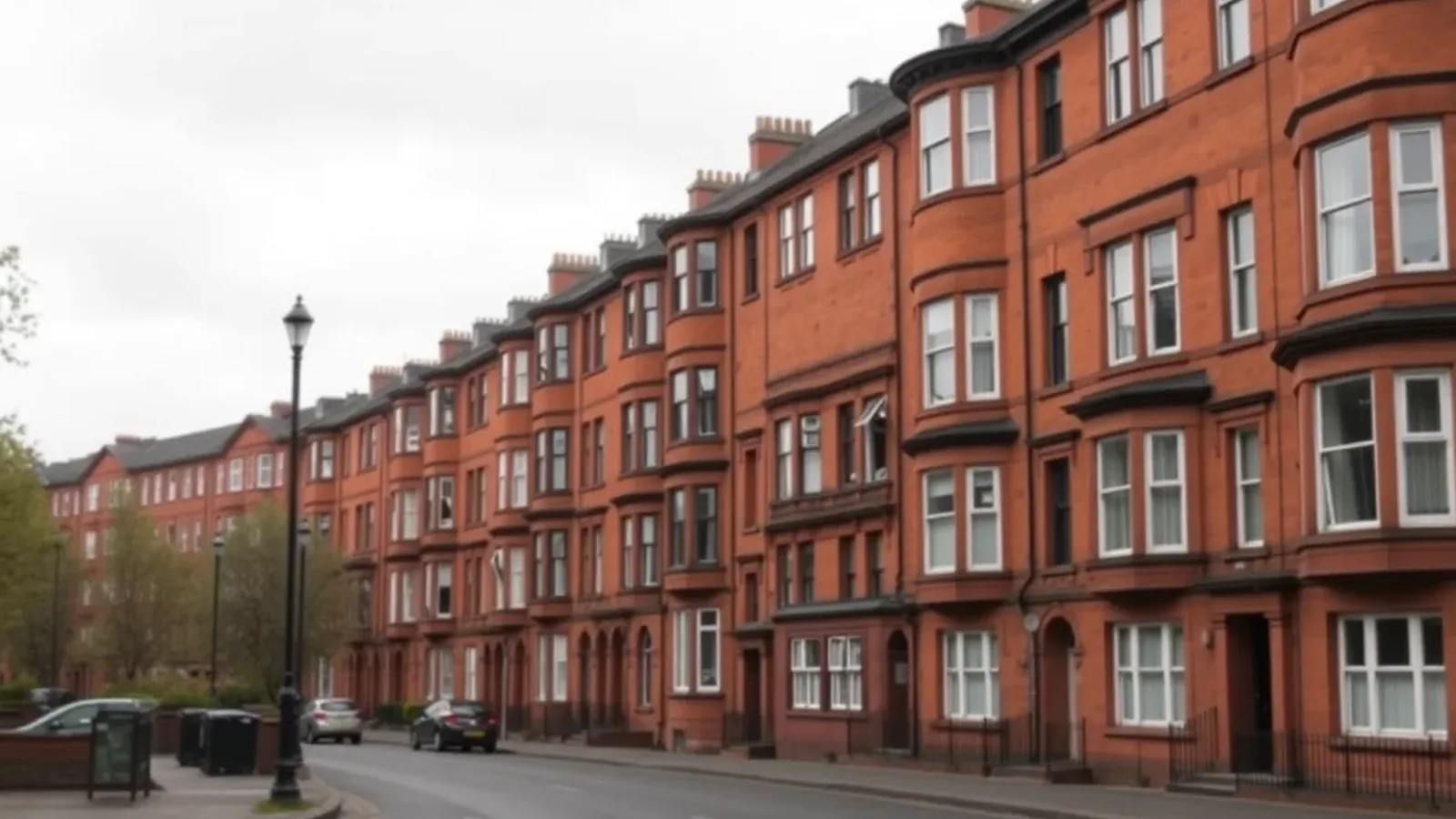
Glasgow's tenements hide a lot of structural timber
Glasgow's sandstone tenements hide floors, joist ends and roof frames in thick damp stone. That matters because damp, old softwood is the beetle's favourite food.
Glasgow's sandstone tenements rely on timber floors, joists and roof frames. Joist ends sit inside thick stone walls, where damp can build up. Woodworm and rot both thrive in that kind of hidden timber.
Shared roof spaces add another problem. Several owners may use one loft, so nobody checks it for years. A survey gives the whole stair a clear picture, and it helps owners agree on a plan.
Why Glasgow property is at risk
Glasgow homes have some features that suit woodworm. These are the main ones to watch.
Sandstone tenements
Floor joists are built into stone walls, so their ends can stay damp. Damp ends are the first place beetle and rot usually appear.
Common roof spaces
Many flats share one loft, and each owner assumes someone else checks it. Regular inspection is rare, so infestations can spread along the rafters.
Victorian villas in the West End
Larger villas have long timber runs in floors and roofs. Old softwood and past leaks make a good home for beetle.
Basement and ground-floor flats
Floors close to the ground feel more damp than upper storeys. Check under rugs and behind skirting boards for dust and holes.
Closes and communal stairs
Timber stairs and landings take a lot of wear. Look for fine dust under treads and around handrails.
Extensions and conversions
New work often covers old timber and blocks ventilation. Trapped damp then raises the risk behind the new finish.
A woodworm survey in Glasgow
- 1
Send your details
Give us your Glasgow postcode and say what you have seen. Holes, dust and beetles all help, because they show the surveyor where to look. A specialist will call to arrange a visit.
- 2
Survey
The surveyor checks the roof, floors and any sub-floor void. They identify the beetle and say whether it is still active.
- 3
Written quote
If treatment is needed, ask for a written quote. It should name the method, the area and the price. Compare it with typical costs, since methods and scope differ.
- 4
Treatment
Most spray jobs finish in a day, although a large loft can take longer. Ask how long to stay out of the room and when you can use the space again.
Areas around Glasgow
Enquiries from these places in Greater Glasgow go to a local specialist. Other areas are welcome, although we confirm availability by postcode.
Not on the list? Send your postcode anyway, because coverage grows. See areas we cover for every city.
- West End
- Dennistoun
- Shawlands
- Partick
- Govanhill
- Pollokshields
- Paisley
What treatment costs in Glasgow
Prices depend on the size of the area, the access and the method, because every roof and floor differs. Fantastic Services puts a large loft or several rooms at £500 to £800 outside London, and MyJobQuote lists fogging or fumigation at £500 to £1,000 by size. Severe infestations and timber repairs cost more.
Our cost guide shows the ranges and the sources behind them. Always compare at least two written quotes, because methods and scope differ.
Woodworm treatment in Glasgow & surrounding areas
Enquiries from Glasgow and the wider Greater Glasgow go to a local surveyor. Send your postcode and we will confirm who can visit, since cover depends on location.
Woodworm treatment in Glasgow: your questions
How much does woodworm treatment cost in Glasgow?
Costs vary with access, area and method. Fantastic Services puts a large loft or several rooms at £500 to £800 outside London, and MyJobQuote lists fogging or fumigation at £500 to £1,000 by size. Tenement jobs may need shared access, which can change the price. See the cost guide.
Who pays for treatment in a shared tenement roof space?
Responsibility depends on your title deeds and any tenement management scheme. Many owners share the cost of common parts, such as the roof. Check your deeds or ask your solicitor before you agree work with neighbours.
Do you cover Paisley and the wider Glasgow area?
Yes. Enquiries from the West End, Dennistoun, Shawlands, Partick, Govanhill, Pollokshields and Paisley go to a local specialist. Visit areas we cover to see the wider list.
How do I know if damp joist ends are the cause?
Damp joist ends often show as soft wood, a musty smell or white fungus strands. Rot and woodworm can occur together. Read woodworm vs dry rot for the differences.
Helpful next steps
Worried about woodworm in your Glasgow home?
Send your postcode and what you have found, because details help the surveyor prepare. A local specialist will call to arrange a survey.