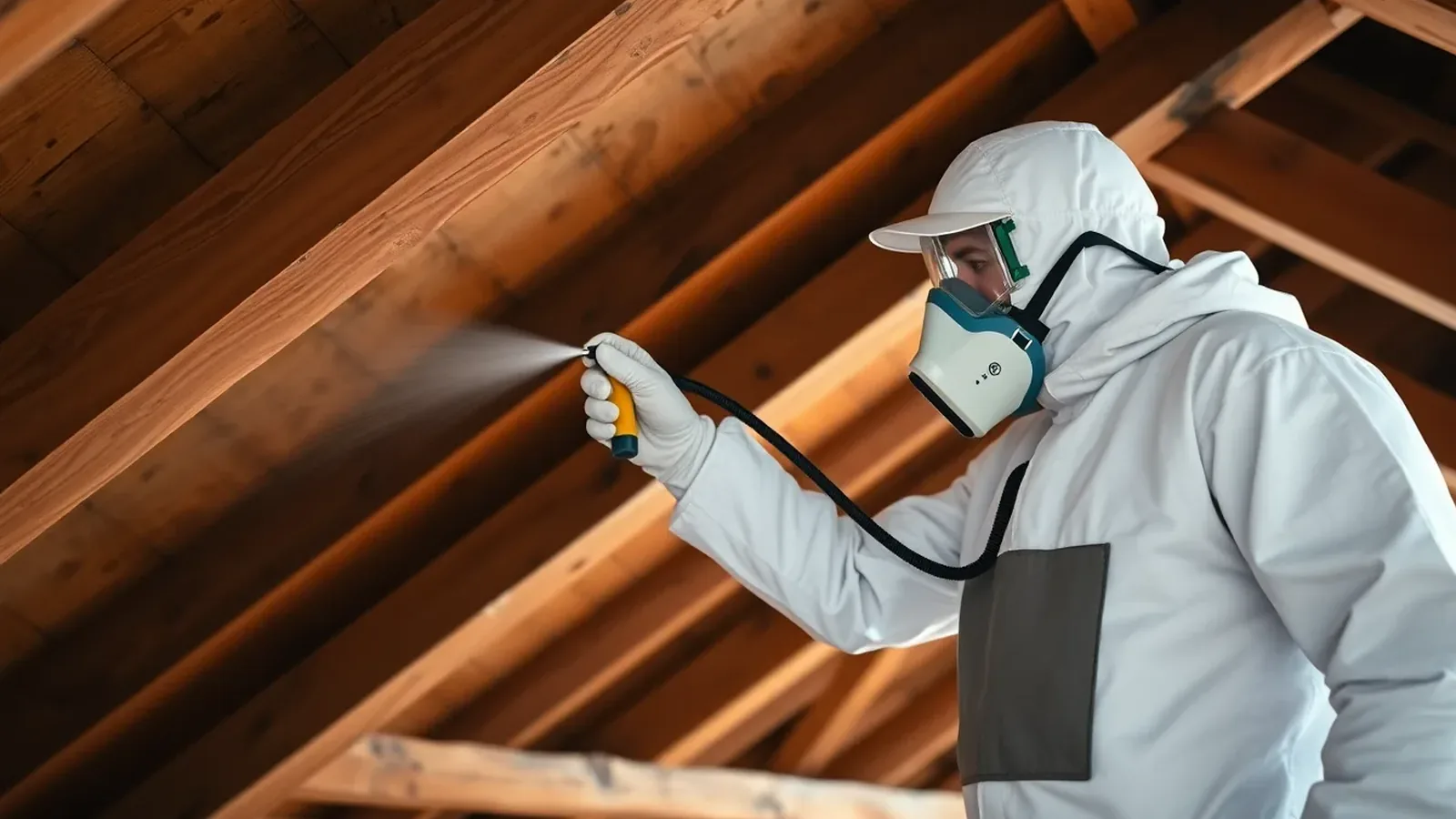
Woodworm Treatment
Learn how treatment works and what it costs, because a clear plan saves money. Then request a survey from a local specialist.
- Compare spray, paste, fumigation and repair
- See sourced UK price ranges
- Know what to ask before you agree
What woodworm is and why timing matters
"Woodworm" is not a worm. It is the larva of a wood-boring beetle. The female lays eggs on or in timber, and the grubs tunnel through the wood for years before they emerge as adults and leave the small round holes most people notice.
The usual culprit in UK homes is the common furniture beetle. It prefers cool, slightly damp softwood in suspended floors, lofts and cupboards under stairs. Rarer species, such as the death watch beetle, can do more harm.
Prompt action matters because an active infestation does not stand still. Each generation lays more eggs, and the tunnelling removes wood from the inside of joists and rafters. Caught early, it is cheaper to treat, whereas years of neglect can mean repair.
How woodworm treatment works
Treatment targets the larvae inside the wood and protects the surface against emerging beetles. The method depends on the species, the timber and the damage.
Insecticidal Spray Treatment
Water-based permethrin spray is the usual treatment for active furniture beetle. It suits timber you can reach, although it works near the surface.
Boron Gel & Paste Treatment
Boron paste and gel suit thick timber and damp joist ends. They spread through moisture, so they reach where spray cannot.
Fumigation & Whole-Property Treatment
Fogging and fumigation treat widespread or repeat infestations. They help where spray access is limited, although they cost more.
Structural Timber Repair & Replacement
When beetle damage has weakened a joist, rafter or beam, it can be spliced, resin-repaired or replaced. Treatment alone does not restore strength.
From survey to finished job
Most jobs follow three steps, although a good specialist adapts them to your building.
- 1
Survey
A surveyor names the beetle, checks whether it is still active and notes any damp. Ask for a written report, because it guides every later choice.
- 2
Treatment
The team applies the chosen method, often in a single day. They should explain how long to keep the room clear and when it is safe to return.
- 3
Records
Keep the quote, the product details and any written advice. A buyer or lender may ask for them later, and they help if beetle returns.
What treatment costs
Cost depends on the area treated, the access and the method. Published guides put a single room at about £300 to £500 and a whole house at £800 to £1,000 or more. Our cost guide shows each source.
Always compare written quotes, because scope differs. A survey is the only way to get an exact price for your home.
What causes woodworm in timber
The female lays eggs in cracks, joints and rough surfaces. The grub then burrows in and feeds for years. By the time you see an exit hole, the damage has often been going on for a long while.
Beetles choose certain timber because it suits them. Damp, sapwood-rich softwood, old unfinished wood, poor ventilation and cool, dark spaces all help. For that reason, lofts, sub-floors and cellars are the usual places.
Prevention means removing those conditions. Reduce damp, keep floor and roof voids ventilated, seal bare wood with paint or varnish and inspect each spring. If you find an active infestation, read active vs historic woodworm and then request a survey.
Local advice across the UK
Enquiries from England, Scotland and Wales go to a local specialist. Pick your nearest city to see local housing risks.
- Woodworm treatment in London
- Woodworm treatment in Birmingham
- Woodworm treatment in Glasgow
- Woodworm treatment in Bristol
- Woodworm treatment in Plymouth
- Woodworm treatment in Bournemouth
- Woodworm treatment in Exeter
- Woodworm treatment in Weston-super-Mare
- Woodworm treatment in Manchester
- Woodworm treatment in Leeds
- Woodworm treatment in Sheffield
- Woodworm treatment in Edinburgh
- Woodworm treatment in Cardiff
- Woodworm treatment in Liverpool
- Woodworm treatment in Nottingham
Woodworm treatment: your questions
What is the best treatment for woodworm?
No single treatment is best. Accessible softwood is usually sprayed with a water-based insecticide. Thick or structural timber may need boron paste, and widespread cases may need fogging.
How much does treatment cost?
Published guides put a single room at about £300 to £500 and a whole house at £800 to £1,000 or more. See the cost guide for sources.
How long does treatment take?
Many jobs finish in a day, although large lofts or repairs take longer. Ask the specialist how long to keep the area clear and when it is safe to return.
Do I always need a professional?
Small items can sometimes be treated with a shop product. For floors, joists and roofs, a survey first is wiser. Read DIY vs professional treatment.
Is treatment safe for pets?
Follow the product label and the specialist's written advice. Keep children and pets out of the treated area until it is dry and ventilated. Permethrin is toxic to cats and fish, so take extra care.
When is the best time to treat?
Adult beetles fly in late spring and summer, when fresh holes appear. Treatment works at other times too, because larvae live in the wood all year. If you have found active beetle, do not wait. See signs of woodworm.
Where can I buy woodworm killer?
Builders' merchants and DIY shops sell sprays and pastes. They suit small, easy-to-reach jobs. For structural timber, read the product review and consider a survey.
Helpful next steps
Get rid of woodworm — for good
Book a survey to find out whether the beetle is still active. Then you can decide what treatment, if any, you need.