Reviews
Best Woodworm Treatment Products (2026 UK Review)
The best DIY woodworm killers and sprays in the UK for 2026 — permethrin vs boron, water-based sprays, what to look for, and where DIY falls short.
By The WoodwormTreatmentHQ Team · Updated 14 April 2026
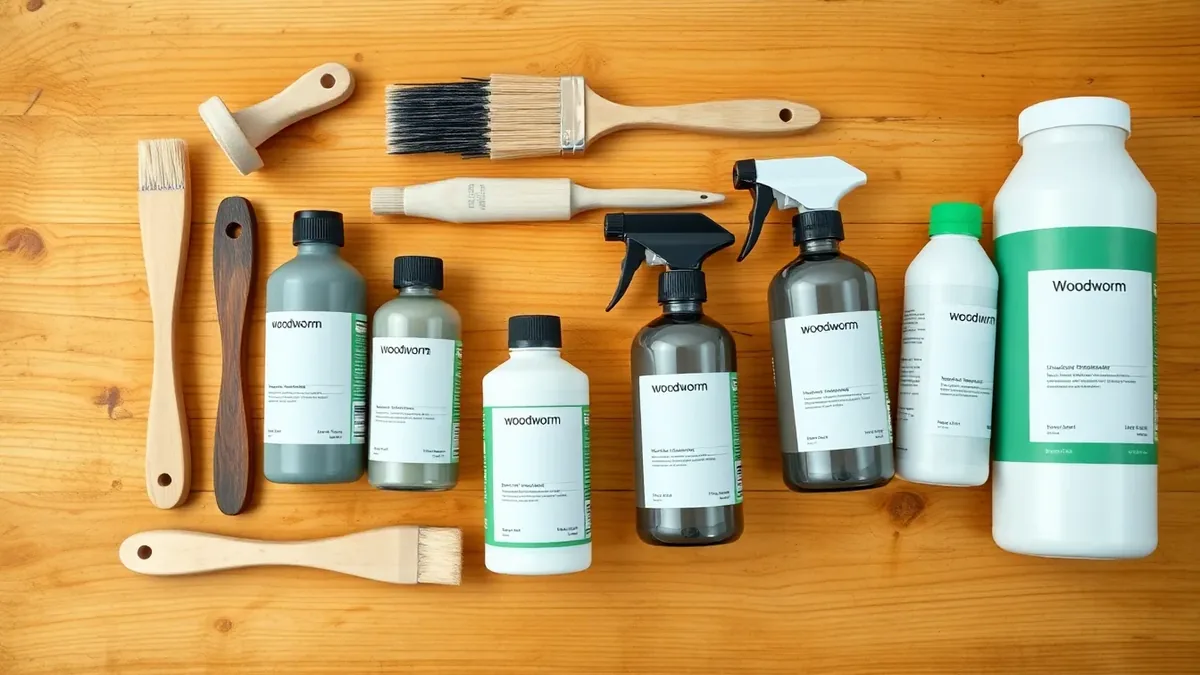
If you have spotted small round holes and fine dust in your timber, the shelves of the local DIY shop suddenly become very interesting. There are dozens of woodworm killers, sprays and pastes on sale in the UK, and the labels all promise much the same thing. This 2026 guide cuts through it. We look at the categories of product that actually matter — permethrin sprays, boron-based treatments and water-based formulations — explain what to look for, how to apply them properly, and, just as importantly, where DIY products reach their limit and a professional is the safer choice.
We have deliberately reviewed product types, not individual brands. Genuine, comparable lab-test scores for consumer woodworm products are not published in any reliable form, and inventing them would not help you. What does help is understanding the active ingredient, the carrier and the job each product is designed for — because that is what decides whether your treatment works.
How DIY woodworm products actually work
Almost every woodworm treatment sold in the UK works in one of two ways.
- Surface and near-surface contact insecticides. These kill adult beetles as they chew their way out through the wood surface, and the eggs and young larvae near the surface. The dominant active ingredient here is permethrin, a synthetic pyrethroid. It is the same family of chemical that professional spray treatments use.
- Penetrating wood preservatives. These soak into the timber and make it toxic or unpalatable to larvae burrowing inside. The key active ingredient is boron (usually disodium octaborate, sometimes labelled as borate or boron compounds). Boron moves through damp timber and can reach deeper larvae that a surface spray never touches.
The honest truth about any consumer product is that woodworm damage you can see was caused by larvae tunnelling inside the wood, often for three to four years. A surface treatment is brilliant at breaking the breeding cycle — killing the next generation of adults before they can lay eggs — but it does not magically reach a grub sitting 20mm deep in a joist. That is the single most important thing to understand before you buy anything.
Permethrin sprays: the standard DIY choice
Permethrin-based, water-based sprays are the products most UK homeowners reach for, and for the common furniture beetle (Anobium punctatum) — which causes roughly 75% of British infestations — they are a sensible first line of attack on accessible timber.
What they are good at:
- Killing emerging adult beetles and surface-level eggs and larvae, breaking the May-to-August breeding cycle.
- Treating exposed, bare timber you can reach easily — loft rafters, the undersides of floors from a cellar, bare furniture frames.
- Leaving a residual film that keeps working for a period after application.
What to look for on the label:
- A clearly stated active ingredient (permethrin) and concentration.
- A water-based rather than solvent-based (white spirit) formulation. Water-based products are far lower in odour, much kinder to breathe around, and safer near soft furnishings. Older solvent-borne sprays carry a strong smell and a real fire-vapour risk during application.
- An HSE registration number. In the UK, woodworm insecticides are regulated biocides and a legitimate product will carry a registration. You can read more about why this matters on the HSE biocides and pesticide safety pages.
- “Low odour”, “professional strength” or “ready to use” claims are about convenience, not effectiveness — judge the product on its active ingredient first.
Our insecticidal spray treatment page explains how the professional version of this treatment is applied, and why the coverage rate and timber preparation make such a difference to the result.
Boron: gels, pastes and fluids for deeper trouble
Where a spray treats the surface, boron is the ingredient that goes deeper. Boron-based products come as fluids, gels and thick pastes.
- Boron fluids are watery and brushed or sprayed on. In damp timber the boron diffuses inwards over weeks, reaching larvae a surface spray would miss.
- Boron gels and pastes are thick, cling to vertical and overhead timber, and are designed to be smeared into the most vulnerable spots — joist ends bedded into damp walls, beam ends, rafter feet. They release boron slowly into the wood over a long period.
Boron is genuinely useful for DIY in one specific situation: timber that is, or recently has been, damp, because boron needs moisture to migrate. On bone-dry old timber it stays close to where you put it. This is exactly the kind of decision a professional makes during a survey, and why boron paste features so heavily in structural timber treatment, where joist ends and beam ends are the classic failure points.

Water-based vs solvent-based: choose water-based
If you take one practical tip from this guide, make it this. For home use in 2026, choose a water-based product almost every time.
- Odour. Solvent-based sprays smell strongly of white spirit for days. Water-based products are close to odourless once dry.
- Safety. Solvent vapour is flammable and unpleasant to breathe in an enclosed loft or under-floor void. Water-based products remove that vapour-fire hazard.
- Surfaces. Water-based treatments are gentler on nearby paint, fabric and finishes — important when you are treating near furniture or in a lived-in room.
- Drying. Most water-based treatments are touch-dry within a few hours, the same as professional applications.
The one place solvent-based products still occasionally have an edge is very dense, non-absorbent hardwood, but that is rarely a DIY job and rarely worth the trade-offs.
A buyer’s checklist
Before you spend anything, run down this list:
- Is the woodworm even active? Treating dead, historic holes is wasted money. Fresh, pale-coloured holes and clean, gritty frass that reappears after you clear it away point to an active infestation. If you are unsure, our guide on telling active from historic woodworm covers the simple tests.
- Can you reach the timber? Products only work on wood you can physically coat. Boxed-in joists, plastered ceilings and inaccessible roof voids are where DIY stops.
- Active ingredient stated? Permethrin, boron, or both. Avoid anything vague.
- HSE-registered? Always.
- Water-based? Preferred for home use.
- Right product for the job? Spray for accessible surface treatment; boron paste for damp joist and beam ends.
How to apply DIY woodworm treatment properly
Buying the right product is half the battle. Most DIY treatments fail on application, not chemistry.
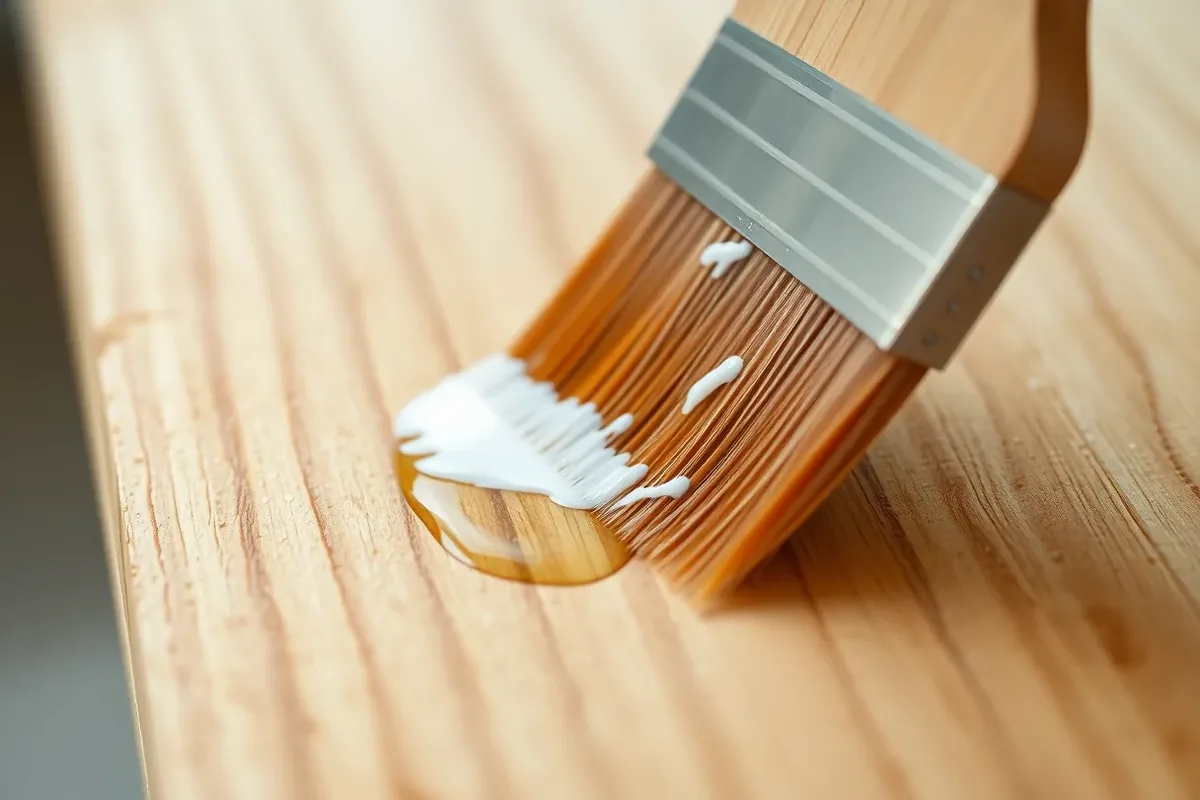
- Prepare the timber. Brush or vacuum away all dust, dirt and old surface coatings. Insecticide cannot soak into varnish, paint or grime — bare, clean wood only. Lightly sand sealed surfaces back to bare timber where you can.
- Protect yourself and the room. Wear gloves, eye protection and a suitable respirator mask, especially in a loft. Cover anything you do not want oversprayed. Keep children and pets well away until everything is dry and ventilated.
- Apply generously and evenly. Follow the stated coverage rate — typically around 4 to 5 square metres per litre. Under-applying is the most common mistake. Flood it onto end grain, splits and around existing holes, where larvae and eggs concentrate.
- Two coats. A second coat once the first has soaked in markedly improves penetration and residual cover.
- Inject stubborn holes. For furniture and small areas, an injector nozzle pushes fluid into individual flight holes and along the galleries behind them.
- Ventilate, then return. Most water-based products are touch-dry in two to four hours. Air the space well before normal use.
Where DIY products reach their limit
DIY woodworm products are good tools for a small, accessible, correctly identified problem. They are not a substitute for a survey when any of the following is true.
- You cannot identify the beetle. The treatment for the common furniture beetle is different from the approach for death watch beetle (3mm holes in old oak), house longhorn (6–10mm oval holes, with building-regulation implications in parts of Surrey) or a wood-boring weevil (a sign of active damp and decay). Get it wrong and you treat the wrong problem.
- Structural timber is involved. Beetle damage in load-bearing joists, rafters or beams is a structural question, not a spray-can question. Weakened timber may need splicing, resin repair or replacement — see our structural timber repair service.
- Damp is driving it. Most serious infestations sit alongside a damp problem. Kill the beetles and leave the damp, and the timber stays vulnerable and may re-infest.
- You need a guarantee. Lenders, surveyors and buyers want a written treatment certificate. DIY cannot provide one. A professional treatment comes with a long guarantee — ours runs to 30 years — and the paperwork that goes with a property sale.
For a fuller comparison of the two routes, including the real costs and what each one covers, read DIY vs professional woodworm treatment.
Get professional help
DIY products have their place, but if the woodworm is in structural timber, you cannot identify the beetle, or you simply want certainty and a guarantee, a free survey is the sensible next step. Our surveyors confirm whether the infestation is active, identify the exact species and give you a fixed written quote with no obligation. Get a free quote and we will take a proper look before you spend a penny on products that might not reach the problem.