Skip to content
WoodwormTreatmentHQ

Guides

Natural Woodworm Treatment: Borax, Boron & Low-Toxicity Options

Do natural woodworm treatments work? An honest look at borax, boron, freezing, heat and vinegar — and when low-toxicity methods are genuinely effective.

By The WoodwormTreatmentHQ Team · Updated 14 April 2026

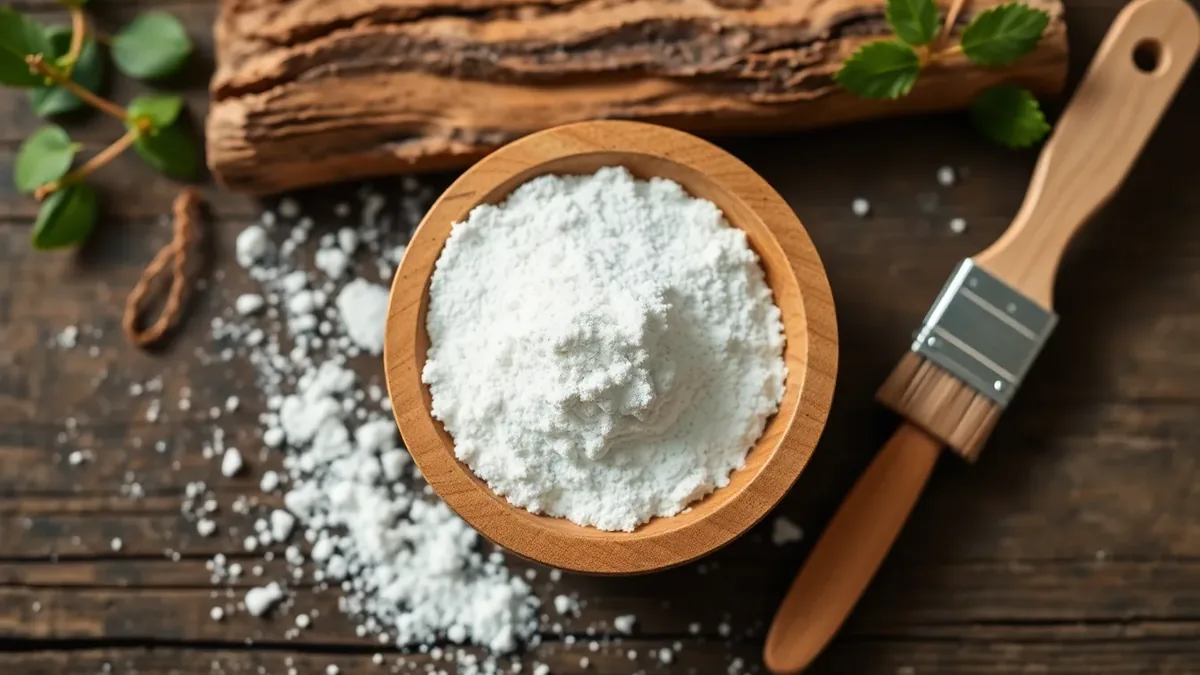
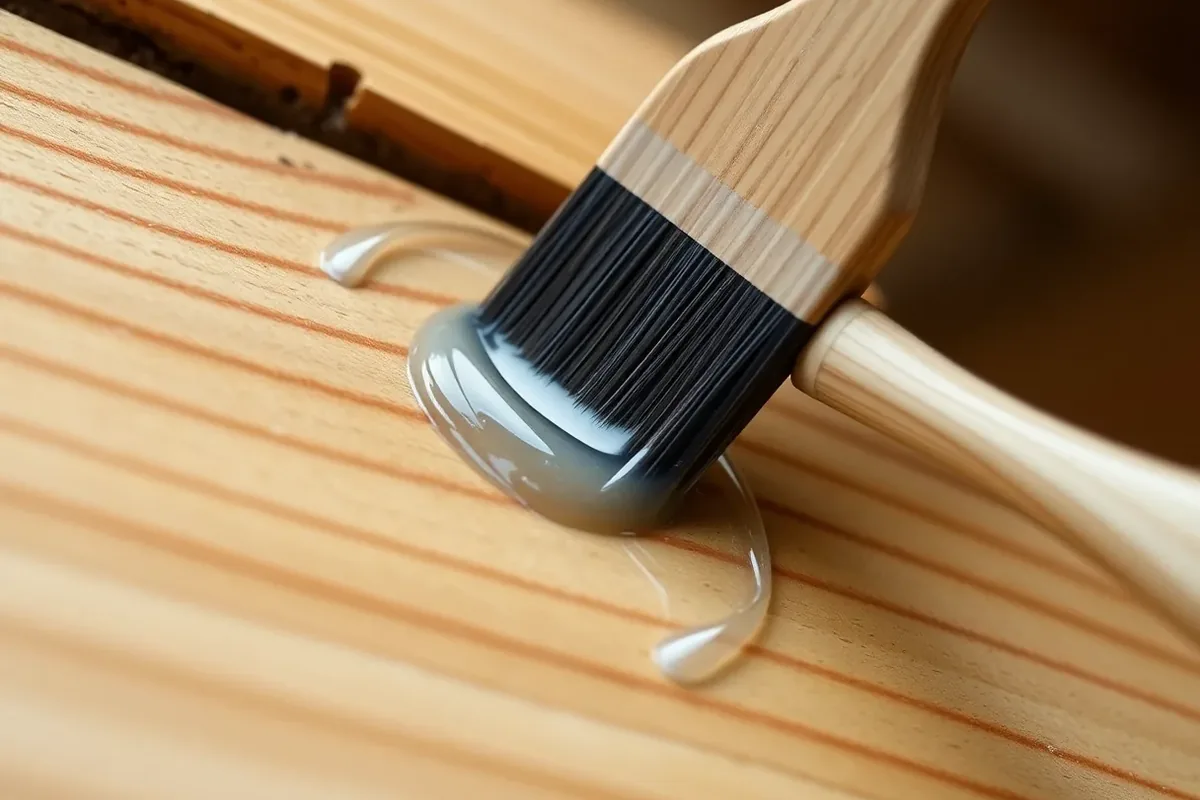
Tub of boron powder and a brush beside softwood timber being treated for woodworm

If you have found woodworm in your home, you may not want to spray strong chemicals around your family, pets or food. That is a fair instinct, and it is one we hear constantly. The good news is that some genuinely low-toxicity options work well. The honest news is that several popular “natural” remedies do almost nothing, and a few make matters worse. This guide separates the two so you can act with confidence rather than hope.

Many homeowners search for ways of treating woodworm without chemicals or chemical-free woodworm treatment — this guide covers the realistic options, from low-toxicity boron and freezing to heat treatment, and is honest about where natural methods fall short.

We will be straight throughout: which methods are effective, which are partial, and which are myths to skip. The aim is a safe, sensible outcome — woodworm gone, without unnecessary chemicals and without wasting weeks on something that was never going to work.

What “natural” actually means with woodworm

“Natural” is a loose word. With timber treatment it usually means one of three things: a low-toxicity active ingredient (most commonly boron), a physical method that uses no chemicals at all (heat or freezing), or a home remedy passed around online (vinegar, essential oils, salt). These are not equal. A boron-based product is a recognised wood preservative used by professionals; a bowl of vinegar is not.

It also helps to remember what you are trying to kill. Most UK infestations are the common furniture beetle (Anobium punctatum), which leaves crisp 1–2mm exit holes and runs a 3–4 year lifecycle, mostly hidden as larvae chewing through the timber. Any treatment — natural or not — has to reach those larvae deep inside the wood, not just the surface. That single fact decides whether a method works.

Borax and boron: the low-toxicity method that genuinely works

Boron is the standout. Boron-based treatments (borax, boric acid, disodium octaborate) are naturally occurring mineral salts. They are low in toxicity to mammals at the concentrations used in timber products, yet they are lethal to wood-boring beetle larvae. This is why boron sits at the heart of professional structural treatment, not just the DIY shelf.

Boron works in two ways. It is a stomach poison — larvae ingest it as they tunnel through treated wood — and it disrupts their development. Crucially, because boron salts are water-soluble, they diffuse into damp timber and penetrate more deeply than a surface-only spray. That makes boron paste and gel the right choice for thicker structural timber, joist ends and hard-to-reach areas.

If you want a low-toxicity route, boron is the one to take seriously. Our guide to boron gel and paste treatment explains how the deep-penetrating products are applied to beams, joists and rafters, and when a paste outperforms a spray. For comparing specific DIY products, our best woodworm treatment products review covers the boron and permethrin options sold in the UK and where each one falls short.

A few honest limits on boron:

  • It needs contact and time. Boron has to be present in the wood the larvae are eating. A single thin coat on a painted or varnished surface will not penetrate; the finish must usually be stripped back to bare timber first.
  • It moves with moisture. That deep diffusion in damp wood is a strength, but it also means boron can be washed out of timber that later gets wet. It is best on internal, weather-protected timber.
  • It is not instant. Like every treatment, boron interrupts the lifecycle rather than vaporising every beetle overnight. You judge success over the following emergence season, not the following week.

Always follow the product label and the safety guidance for biocidal wood treatments. The HSE biocides and pesticide safety pages set out how these products are approved and used responsibly in the UK — worth a read before you buy anything, natural or otherwise.

Freezing: effective for small, movable items

Freezing is a true chemical-free method, and for the right job it works. Sustained sub-zero temperatures kill beetle larvae and eggs. It is the standard conservation approach for treating woodworm in valuable or delicate items where you cannot use liquids.

The catch is scale. Freezing only works where you can get the whole object cold enough, for long enough. That is realistic for a chair, a picture frame, a wooden box or a small antique — not for floor joists or roof timbers. To do it properly:

  • Wrap the item in plastic to control condensation as it warms back up.
  • Get it down to around -18°C (a domestic chest freezer) and hold it there for at least two weeks. Larger or denser items need longer, because the cold has to reach the centre of the timber.
  • Let it return to room temperature slowly, still wrapped, before unwrapping to limit moisture shock to old wood.

Freezing leaves no residue and harms nothing in the home, which makes it ideal for nursery furniture or food-contact items. It simply cannot scale to a building.

Heat treatment: works in principle, hard to do at home

Heat is the mirror image of freezing. Raising the core temperature of timber to roughly 50–55°C for an extended period kills all life stages of wood-boring beetle. Professionals use controlled heat (warm-air chambers or whole-room heat treatments) for exactly this reason, and it is chemical-free.

For a homeowner, heat is harder than it sounds. The wood’s core — not just its surface — has to reach lethal temperature and stay there, which needs proper equipment and monitoring. Improvised methods (a hot loft in summer, a hairdryer, a domestic oven on structural wood) do not get there reliably and can be a genuine fire risk. Heat is a real method, but in practice it is a professional one. If you like the idea of a no-chemical approach for a whole room or property, ask a specialist about controlled heat rather than attempting it yourself.

Small wooden chair wrapped in plastic inside a freezer as a chemical-free woodworm treatment for movable items

Vinegar, essential oils and salt: the myths

This is the part people least want to hear. The popular home remedies do not control an active woodworm infestation.

  • Vinegar. Wiping or spraying vinegar onto timber does nothing useful against larvae burrowing millimetres below the surface. Acetic acid neither penetrates structural wood nor reaches the grubs. It may clean the surface and mask a musty smell, which can fool you into thinking it helped. It did not.
  • Essential oils (tea tree, clove, eucalyptus, cedarwood). Some oils have mild insect-repellent properties on a surface, briefly. They do not kill established larvae inside the wood, they evaporate quickly, and they offer no lasting protection. Cedar’s reputation comes from cedar storage deterring some pests, not from curing an active infestation.
  • Salt, bleach and washing-up liquid. None of these penetrate timber to a depth that matters, and bleach in particular can damage finishes and corrode nearby fixings without touching the beetle.
  • WD-40 and white spirit. Sometimes suggested online. They are flammable, they do not control an infestation, and dousing structural timber in solvent is a hazard, not a treatment.

The pattern is consistent: anything that only sits on the surface, or evaporates, cannot reach where the damage is being done. That is the test to apply to any “natural” tip you read.

How to choose a low-toxicity approach that works

Match the method to the situation:

  • A single piece of furniture or a small antique: freezing, or careful application of a boron-based product to bare timber, is low-risk and effective. Our guide to treating woodworm in furniture and antiques goes into protecting the piece itself.
  • Accessible structural timber (joists, beams, rafters) you want to treat with minimal toxicity: boron paste or gel, applied to clean, bare wood, after fixing any damp.
  • Widespread infestation, hidden timber, or anything load-bearing: this is past the point of a DIY natural fix. A survey confirms the species and whether it is active, then the right targeted treatment is applied with a guarantee behind it.

One more honest point. Many people reach for natural remedies because they are not sure the woodworm is even active. If the holes are old and grey and you see no fresh frass, you may not need to treat at all — old, dormant damage is harmless. Before spending on any method, it is worth confirming you have a live problem. Active infestations also matter because untreated structural attack can become a safety issue over time; our guide is woodworm dangerous? explains when it is worth acting quickly rather than experimenting.

The bottom line

Low-toxicity woodworm treatment is real — but it is specific. Boron is the genuinely effective low-toxicity active ingredient. Freezing works for small, movable items. Heat works but is best left to professionals. Vinegar, essential oils, salt and the rest are myths for treating active infestations. Spend your effort on the methods that reach the larvae, and skip the ones that only freshen the surface.

Get professional help

If you would rather have the species confirmed and the right low-toxicity or structural treatment applied with a 30-year guarantee, we can help. Get a free quote and a qualified surveyor will tell you honestly whether your woodworm is active and what — if anything — it actually needs.

Get rid of woodworm — for good

Book a free survey today. Fixed written quote, BPCA-trained technicians and a 30-year guarantee on treated timber.

0121 271 0061 No call centres · Speak to a surveyor

Request your free survey

Two details to get started.

Free survey · No obligation · 30-year guarantee