Skip to content
WoodwormTreatmentHQ

Guides

Woodworm in Furniture: How to Treat & Save Antiques

How to identify and treat woodworm in furniture and antiques without ruining the piece — isolation, freezing, DIY methods, and professional options.

By The WoodwormTreatmentHQ Team · Updated 19 May 2026

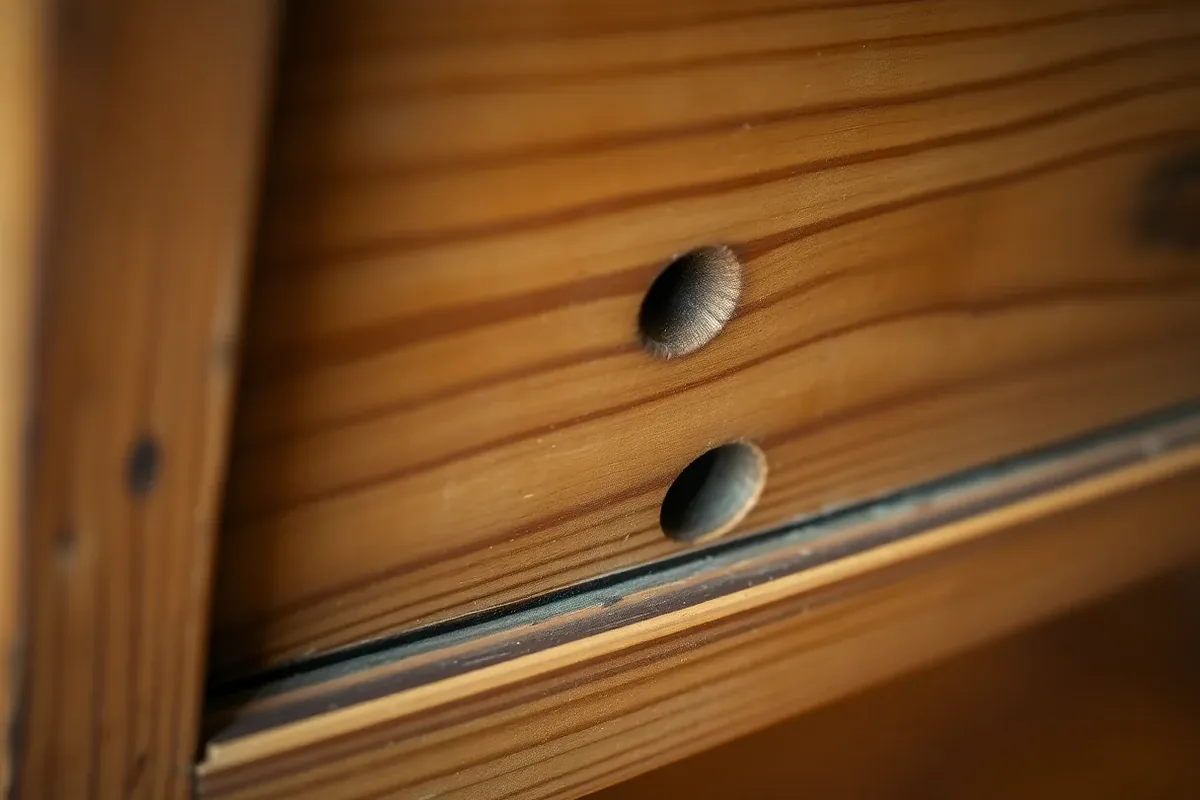
Antique wooden chest of drawers with small woodworm exit holes and fine bore dust on the surface below

Finding little round holes in a treasured chest of drawers, a dining chair or an inherited blanket box is a horrible moment — especially when the piece is old, valuable or simply loved. The good news is that woodworm in furniture is very treatable, and in most cases you can deal with it without ruining the piece. The key is to act calmly, isolate the item before the beetles spread to anything else, and choose a method that suits the value and finish of the furniture. This guide covers how to identify the problem, how to treat it safely, when freezing makes sense, and when an antique is worth a professional’s hands.

Is it actually woodworm — and is it active?

The culprit in furniture is almost always the common furniture beetle (Anobium punctatum). The clue is in the name: it is the species responsible for around three quarters of UK infestations, and furniture is its natural territory. You can read its full profile, lifecycle and habits on our common furniture beetle species page.

The signs to look for are:

  • Round exit holes, around 1 to 2mm across, in the wood.
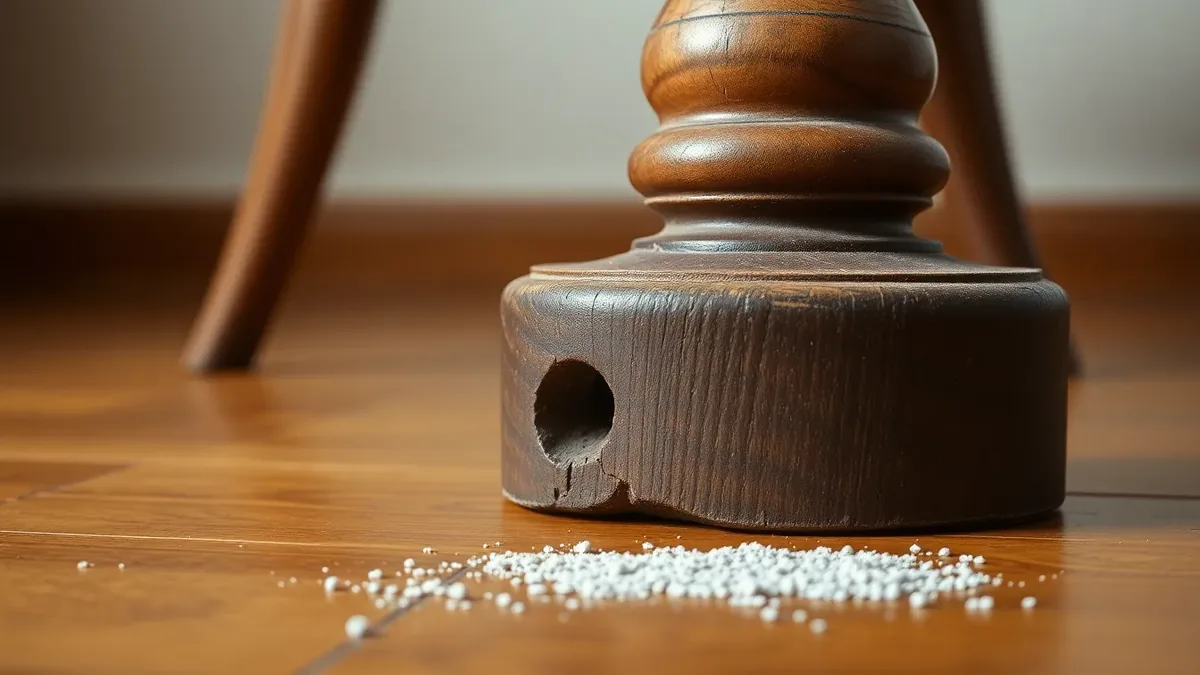
  • Frass — fine, gritty, pale bore dust, often found in drawers, on the floor beneath the piece, or trickling from a hole when you tap the wood.
  • Crumbling edges or weakened joints, particularly on legs, rails and the thin sapwood at the edges of boards.

The single most important question is whether the infestation is active or historic. Old, treated or long-dead infestations leave holes behind but no live beetles. Tell-tale signs of activity are clean, pale-coloured holes and fresh frass that reappears after you have wiped the surface clean and left it a week or two. Live beetles emerging in late spring and summer confirm it. If the holes are dark, grimy and produce no new dust, the woodworm may be long gone and the piece simply needs monitoring. Our guide on how to treat woodworm explains the active-versus-historic test in more detail.

Step one: isolate the piece

Before you treat anything, separate the affected furniture from everything else made of wood. Adult beetles fly, and a piece left next to your other furniture, floor or roof timbers can seed a fresh infestation elsewhere. Move it to a garage, shed or single room on its own, ideally standing on a hard floor or a sheet so you can watch for fresh frass. This one step does more to protect the rest of your home than any spray.

While it is isolated, clear out drawers, remove loose upholstery where you can, and give the piece a gentle vacuum to clear old dust so you can tell new frass from old.

An antique chair isolated on a dust sheet in a garage, awaiting woodworm treatment, with bore dust collected beneath it

Treating furniture without ruining it

How you treat the piece depends on its value, its finish and how sturdy it is.

Insecticidal woodworm fluid

For most everyday and mid-value furniture, a water-based woodworm fluid is the practical choice. Water-based products are low in odour and far gentler on finishes and fabrics than old solvent-based sprays.

  • Work on bare timber where possible — insecticide cannot penetrate wax, varnish or paint, so treat the underside, back, inside and unfinished areas where the beetles are actually living.
  • Use an injector nozzle to push fluid into individual flight holes and along the galleries behind them. This treats the larvae inside without having to strip the whole piece.
  • Apply in a well-ventilated space, wearing gloves, eye protection and a mask, and let it dry fully before bringing the piece back indoors.

Take real care with polished, veneered or painted antiques: some fluids can mark or lift a delicate finish, so test on a hidden area first, and keep treatment to the bare, unseen timber. If the finish is precious, this is the point to consider a professional. For the wider buyer’s view on what to look for in a product, see our review of the best woodworm treatment products.

Freezing — the antique-friendly method

For smaller pieces, freezing is a genuinely effective, chemical-free way to kill every life stage of the beetle without putting any fluid on the wood at all. It is a favourite of conservators precisely because it does not touch the finish.

  • Wrap the piece well in polythene to control moisture and prevent condensation damage as it warms back up.
  • Freeze at around −18°C (a normal domestic chest freezer reaches this) for at least two weeks. The deep, sustained cold kills eggs, larvae, pupae and adults.
  • Allow it to return to room temperature slowly, still wrapped, before unwrapping, so moisture condenses on the bag rather than on the wood.

Freezing suits small chairs, boxes, carvings and drawers. It is not practical for a wardrobe, and it does not leave any residual protection — so pair it with monitoring afterwards. Freezing and other low-toxicity approaches are covered alongside borax and heat in our guide to natural woodworm treatment, which is well worth reading if you would rather avoid chemicals on a cherished piece.

Other low-toxicity options

  • Borax and boron-based treatments can be brushed or worked into bare timber and are lower in toxicity than many insecticides, though they work best on slightly damp wood and less well on bone-dry antique timber.
  • Heat treatment also kills all life stages, but reaching a high enough core temperature without damaging joints, finishes and veneers is difficult to do safely at home — it is generally a professional, chambered process.

When to call a professional for an antique

DIY is fine for sturdy, everyday or modest pieces. Bring in a specialist when:

  • The piece is a valuable antique with a finish or veneer you cannot risk marking.
  • The infestation is widespread or has weakened structural joints, so the chair or table is no longer safe to use.
  • You are not sure the woodworm is active, or whether it has already spread to other furniture or to the building’s timber.
  • You want certainty that every life stage has been killed, with no risk of re-emergence.

For genuine antiques, a furniture conservator or restorer can treat the piece, often by controlled freezing or chambered methods, and make good any cosmetic damage. Where the concern is that the beetle has jumped from a piece of furniture into the floor, skirtings or roof timber of the house itself, that becomes a building matter — our main woodworm treatment service surveys and treats the property with a written certificate and a 30-year guarantee on treated timber.

How long it takes and what to expect

For a single, isolated piece, treatment itself is quick. A water-based fluid is touch-dry within a few hours, and freezing takes a fortnight of waiting rather than any hands-on work. The part that takes patience is confirming success: because the eggs and young larvae you have killed leave behind the same old holes, the only reliable proof is the absence of new frass over the following beetle season. Keep the piece on a clean sheet or hard floor through the next late spring and summer and check for fresh dust. No new frass, and no emerging beetles, means the treatment has worked. This is why isolation early on pays off twice over — it protects the rest of your home and it gives you a clean surface against which to judge the result.

Preventing it coming back

  • Keep furniture dry and well aired. Woodworm needs raised timber moisture; centrally heated, well-ventilated rooms are far less attractive to it.
  • Inspect second-hand and inherited pieces before bringing them indoors — a holed, frass-producing junk-shop find is a classic way to import an infestation.
  • A wax or finish on bare timber makes it harder for adult females to lay eggs in the surface.
  • Check periodically for fresh holes and new dust, especially in late spring and summer.

Get professional help

If the piece is a valuable antique, the woodworm is active, or you are worried it may have spread into your home’s timber, the safe move is to have it assessed before you treat. A free survey confirms whether the infestation is active, identifies the species and tells you the right approach — with no obligation. Get a free quote and we will help you protect both your furniture and the building around it.

Get rid of woodworm — for good

Book a free survey today. Fixed written quote, BPCA-trained technicians and a 30-year guarantee on treated timber.

0121 271 0061 No call centres · Speak to a surveyor

Request your free survey

Two details to get started.

Free survey · No obligation · 30-year guarantee