Woodworm vs Wet Rot: What Is the Difference?
Wet rot and woodworm can look similar in damaged timber. Learn how to tell them apart, what causes each and why fixing the damp matters more than the symptom.
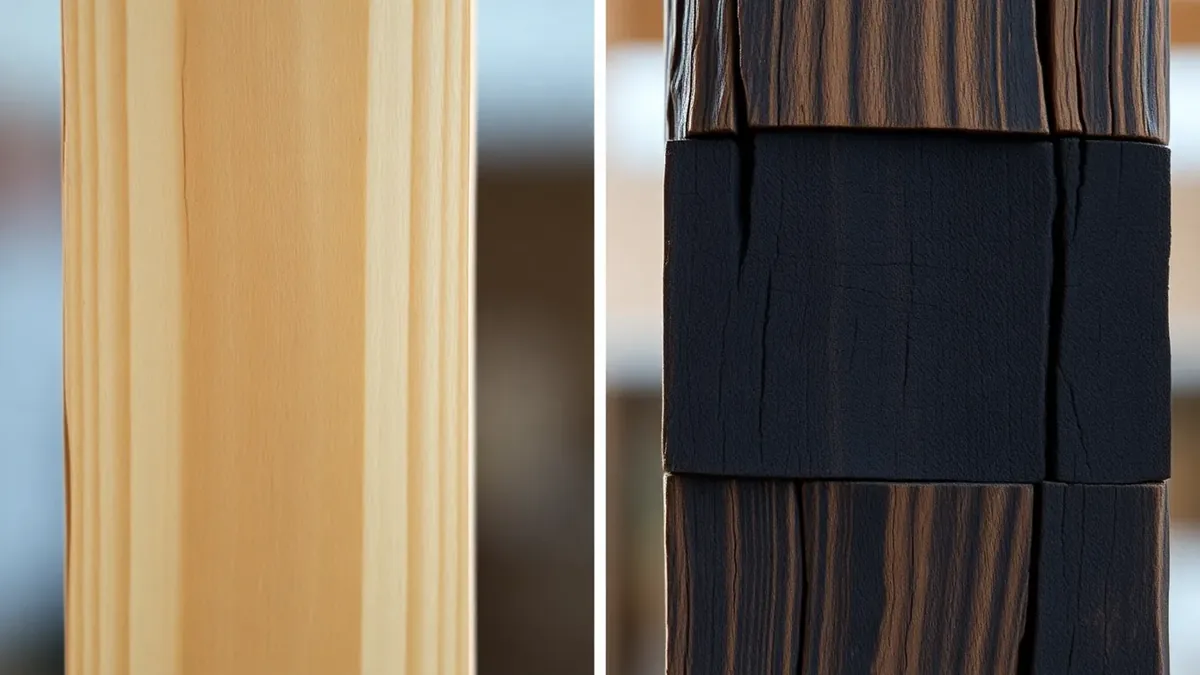
Wet rot and woodworm can look alike in damaged timber, but they are different problems. One is a fungus and the other is an insect. This guide shows how to tell them apart and why damp matters most.
What wet rot is
Wet rot is a group of fungi that rot timber. They need wood that stays very wet, so they stay close to the leak, unlike dry rot. Common spots are window sills, door frames, fascia boards and floor joists near plumbing.
How wet rot looks
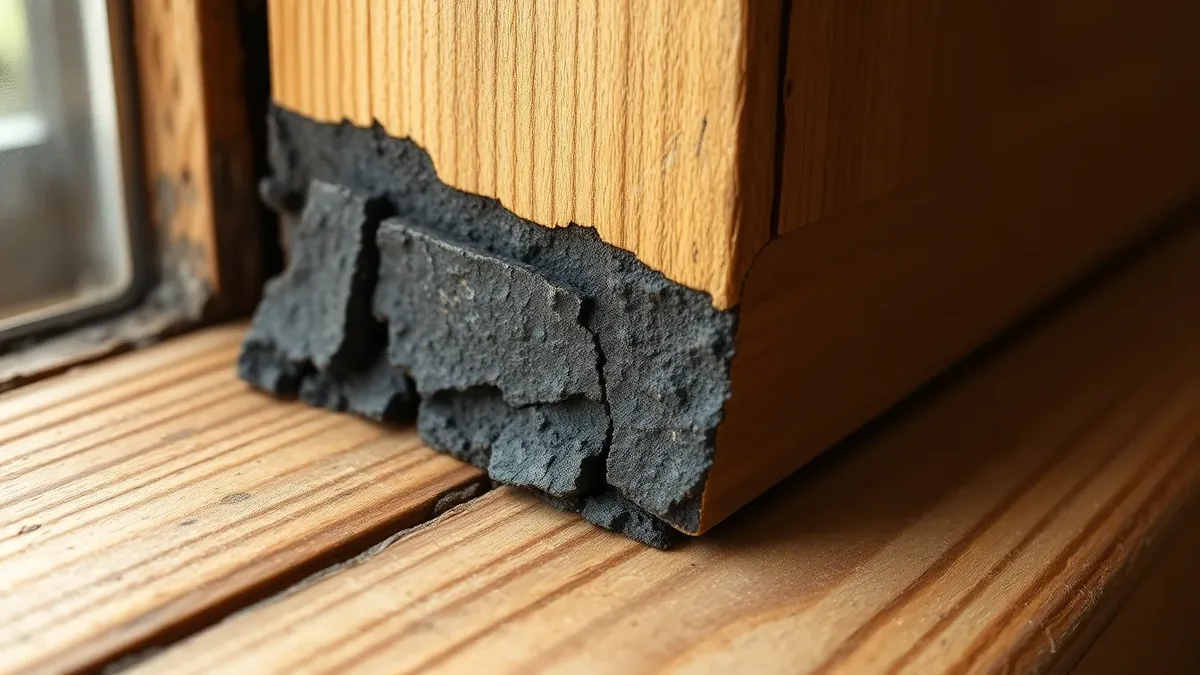
Wet rot leaves wood that is dark, soft and spongy. It often cracks along the grain. The wood may feel damp, while paint may peel. A screwdriver sinks in easily.
How woodworm looks
Woodworm leaves small round holes and fine dust. The wood around the holes is often firm. See the guide to signs of woodworm for the full list.
The main differences
Wet rot softens the whole surface, while woodworm drills holes. Both can occur in one piece of wood, however. Wet rot needs constant wetness, but woodworm only needs wood that is a little damp. Wet rot stays near the source, yet woodworm can move along connected timber.
Why they often appear together
Damp wood is the common link. Wet rot softens the timber, and the soft wood is easier for larvae to eat. As a result, a window sill with wet rot may also have beetle holes.
The wood-boring weevil is a good example. It follows decayed wood, so finding it usually means rot is nearby.
What to do about wet rot
Fix the water source first. Mend the gutter, seal the joint or repair the pipe. Then cut out the soft wood and replace it with treated timber. Dry the area well, because new wood will rot if the leak returns.
Wet rot is usually easier to contain than dry rot. Our guide to woodworm versus dry rot explains the other fungus.
What to do about woodworm
Check that the beetle is active, then choose a method. The guide on how to treat woodworm walks you through it.
Fix the damp first
Treating the symptom without the cause does not last. If you only treat the beetle, new damp wood will invite more. If you only replace the rot, the leak will soften the new wood. Read our page on dry rot and damp treatment for how damp is found and fixed.
Not sure which you have?
A survey will check for rot, beetle and damp in one visit. Request a survey if you are unsure.
Local housing changes the risk. Read about woodworm treatment in Glasgow and woodworm treatment in Bristol to see what affects homes in each area.
To go deeper, read about the wood-boring weevil and the structural timber repair, because the right method depends on the beetle.