What Happens During a Professional Woodworm Treatment?
See what happens during a professional woodworm treatment, step by step: the survey, preparation, application, drying time, aftercare and the paperwork to keep.
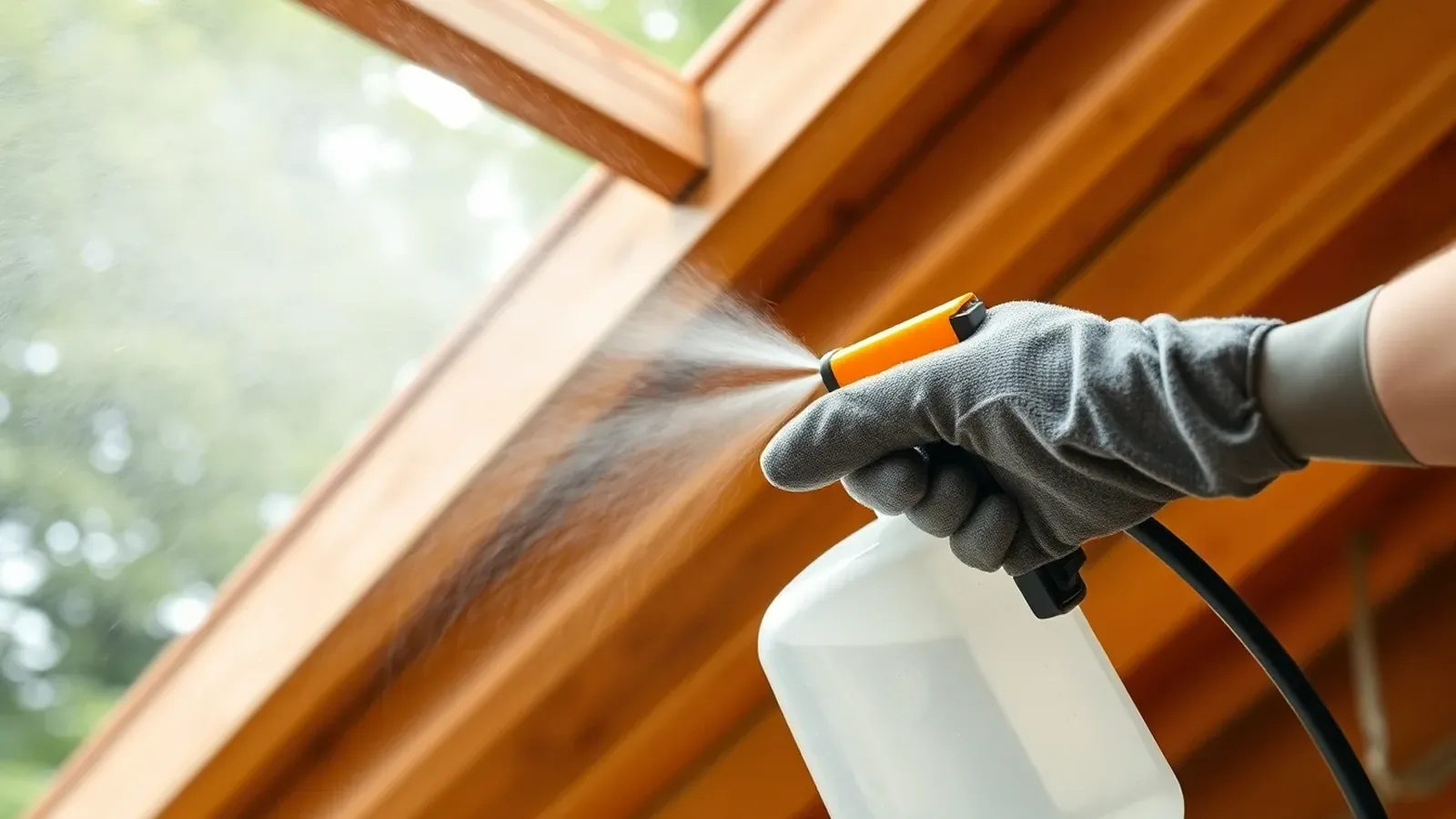
Many people worry about what a woodworm treatment involves. Knowing the steps makes it easier to plan, to ask good questions and to spot a poor job. This guide walks through a typical treatment from the first visit to the paperwork.
The details change with the beetle, the timber and the method. A good specialist will explain each step before work starts.
Step 1: the survey
A treatment starts with a survey. The surveyor names the beetle, checks whether it is active and looks for damp. They also note which rooms and timbers need work, because that sets the price. Our guide to what a survey covers explains the visit in more detail.
If the beetle is dead, the surveyor should say so. Treating old damage wastes money, so ask for the reasoning in writing.
Step 2: the written quote
Next comes a quote. It should name the method, the timber covered and the area. It should also state the price, whether VAT is included and what happens if beetle returns. Compare two quotes, because scope differs. Our cost guide shows typical prices.
Step 3: preparing the area
Before the team starts, you clear access to the loft hatch, floor hatches and affected rooms. Move boxes, rugs and small furniture. The team will cover what is left with dust sheets, since spray can mark finishes.
Tell them about pets, fish tanks and anyone with breathing problems. Permethrin is toxic to cats and fish, so these need special care.
Step 4: applying the treatment
The team wears protective clothing and works through the timber in order. For most homes they use a water-based spray on all exposed wood. Thick or damp timber may get boron paste as well.
They may lift floorboards or open hatches to reach joists. Badly damaged wood is cut out, and new wood goes in, although that is a separate repair job.
Step 5: drying and ventilation
The wood needs time to dry. Open windows if the specialist says so, and keep people and pets out until they confirm it is safe. Follow the product label and the written advice, because drying times vary.
Many jobs finish in a day. Larger lofts or repairs take longer, although the specialist should tell you the plan before they start.
Step 6: aftercare and paperwork
Ask for a written record of the work. It should list the product, the date and the areas treated. Keep it with your property papers, because a buyer or lender may ask for it.
Then look after the wood. Fix leaks, clear air bricks and check the timber each spring. Read how long treatment lasts for what to expect.
Questions to ask first
- Which beetle did you find, and is it active?
- Which product and method will you use, and why?
- How long must we stay out, and what about pets?
- What does the quote cover, and what does it leave out?
Ready to start? Request a survey and compare written quotes.
Local housing changes the risk. Read about woodworm treatment in Manchester and woodworm treatment in London to see what affects homes in each area.
To go deeper, read about the spray treatment and the boron paste treatment, because the right method depends on the beetle.